What if the hair colour you’ve spent years trying to maintain is the very thing you’re ready to leave behind?
Meet the woman who knows exactly when her roots need touching up. She has her preferred shade, her trusted colourist and a mental calendar of when the next appointment is due. She can spot regrowth before anyone else notices it.
Now imagine her deciding, one ordinary morning, that she’s tired of planning her life around her hair colour.
Not because she dislikes looking polished. Not because she wants to make a statement about ageing. She simply wants to know what her own hair looks like without constantly changing it.
That decision might sound small, but it opens up a surprisingly personal question: how much of our beauty routine comes from what we genuinely enjoy, and how much comes from habits we’ve never thought to question?
Grey hair brings that question into focus. And the answer doesn’t have to be the same for everyone.
What Happens When Your Hair Stops Following Your Old Rules?
For years, you may have chosen your hair colour without giving it much thought. Grey appears, so you cover it. The colour fades, so you refresh it. Your roots become visible, so you schedule another appointment.
The routine makes sense when you enjoy the result. But habits can continue long after our preferences have changed.
Perhaps you still love your original shade but dislike the upkeep. Perhaps you want to see your natural colour emerge. Or perhaps you haven’t decided what you think about grey hair at all.
Instead of treating the next silver strand as a signal to take action, consider it an opportunity to reassess your routine.
Grey hair develops as pigment production in hair follicles changes. Genetics strongly influences when this happens, and the pattern can differ across individuals. Some people notice scattered silver strands, while others experience a more noticeable change over time.
There is no single timeline you need to follow, and there is no deadline for deciding what to do about it.
Your first decision doesn’t have to be whether to cover your grey. It can simply be whether your current routine still suits you.
The Grey-Hair Experiment: A Month Without Your Usual Colour?
Imagine taking a break from colouring your roots and observing what happens.
Not as a challenge. Not as a promise that you’ll never colour your hair again. Just as an experiment.
You might discover that the silver around your temples creates a contrast you actually like. You might find that the difference between your roots and coloured lengths bothers you more than the grey itself. Or you might realise that you genuinely prefer your usual shade.
Every outcome tells you something useful.
If you’re interested in continuing, a stylist can help you plan the transition. Depending on your existing colour, you could gradually trim away dyed lengths, use a suitable blending technique or let your natural roots grow without additional colour.
The transition can be particularly noticeable if you’ve been colouring your hair dark for years. Patience may be needed, and previous treatments can affect which options are appropriate.
You also don’t need to make the process harder than necessary. If growing out your colour isn’t enjoyable, you can change your approach.
The purpose of experimenting is to understand your preferences, not prove that you’re brave enough to stop colouring.
Silver Isn’t a Single Shade
One reason natural grey hair can be so interesting is that it rarely looks exactly the same from one person to another.
Some hair develops a mixture of dark and silver strands. Some becomes predominantly white, while other hair retains substantial pigment alongside scattered greys.
The result is a natural pattern rather than a uniform colour.
This creates opportunities to think about hair differently. Instead of selecting a shade to cover every strand, you might choose a haircut that works with the distribution of your natural colour. Layers, shorter styles and changes in shape can alter how the silver appears without requiring another colouring treatment.
If your hair has become noticeably drier or more fragile, your routine may need attention as well. Gentle handling, suitable conditioning and reduced heat exposure can help support hair that feels more vulnerable to breakage.
A purple shampoo may help reduce unwanted yellow tones in some white or silver hair, but it isn’t essential for everyone. Its usefulness depends on your hair and the result you want.
The point is not to create a perfect silver look. It’s to discover what makes your particular hair look and feel good.
What If You Still Prefer Colour?
Let’s leave room for another possibility.
You try growing out your grey and realise that you miss your previous colour. You enjoy the freedom of having fewer appointments, but you prefer the way you look with a darker shade.
That is not a failed experiment. It’s useful information.
Choosing to colour your hair can be an expression of personal style, just as choosing to leave it natural can be. Neither option automatically says anything about your confidence or your attitude towards ageing.
If you want to continue colouring, a suitable Hair color Dye may help achieve the coverage or shade you prefer. Permanent and semi-permanent formulations have different properties, so consider the expected result and maintenance requirements before choosing.
A Hair color Shampoo may also be relevant for certain colouring needs, but products sold under this description do not all work alike. Some deposit colour, while others are designed to maintain colour-treated hair rather than cover grey strands. Always check the manufacturer’s specific claims.
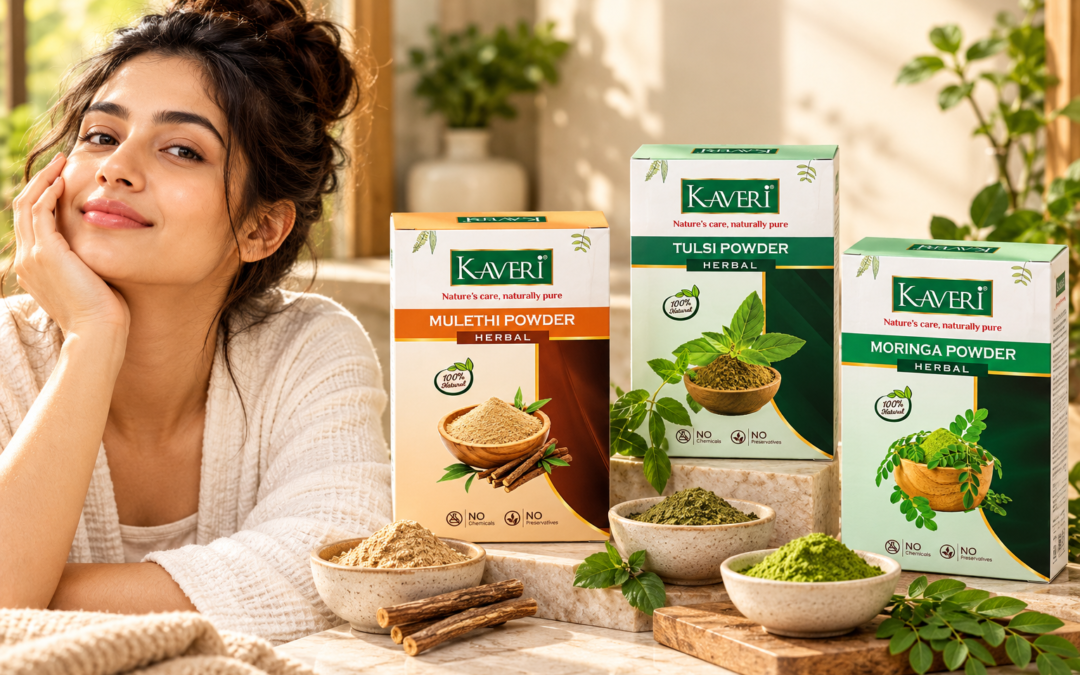
For those interested in plant-derived colouring, Henna Based Hair Color products are another option to investigate. Traditional henna comes from Lawsonia inermis and generally produces orange-red to reddish-brown tones. Pure Henna Powder is not equivalent to every formulated hair-colouring product, and its results depend on the starting hair colour and preparation.
Before changing colouring methods, check the ingredients and compatibility with previous treatments. Some henna formulations can complicate subsequent chemical colouring. Follow the manufacturer’s allergy-alert testing instructions, because natural ingredients are not automatically allergy-free.
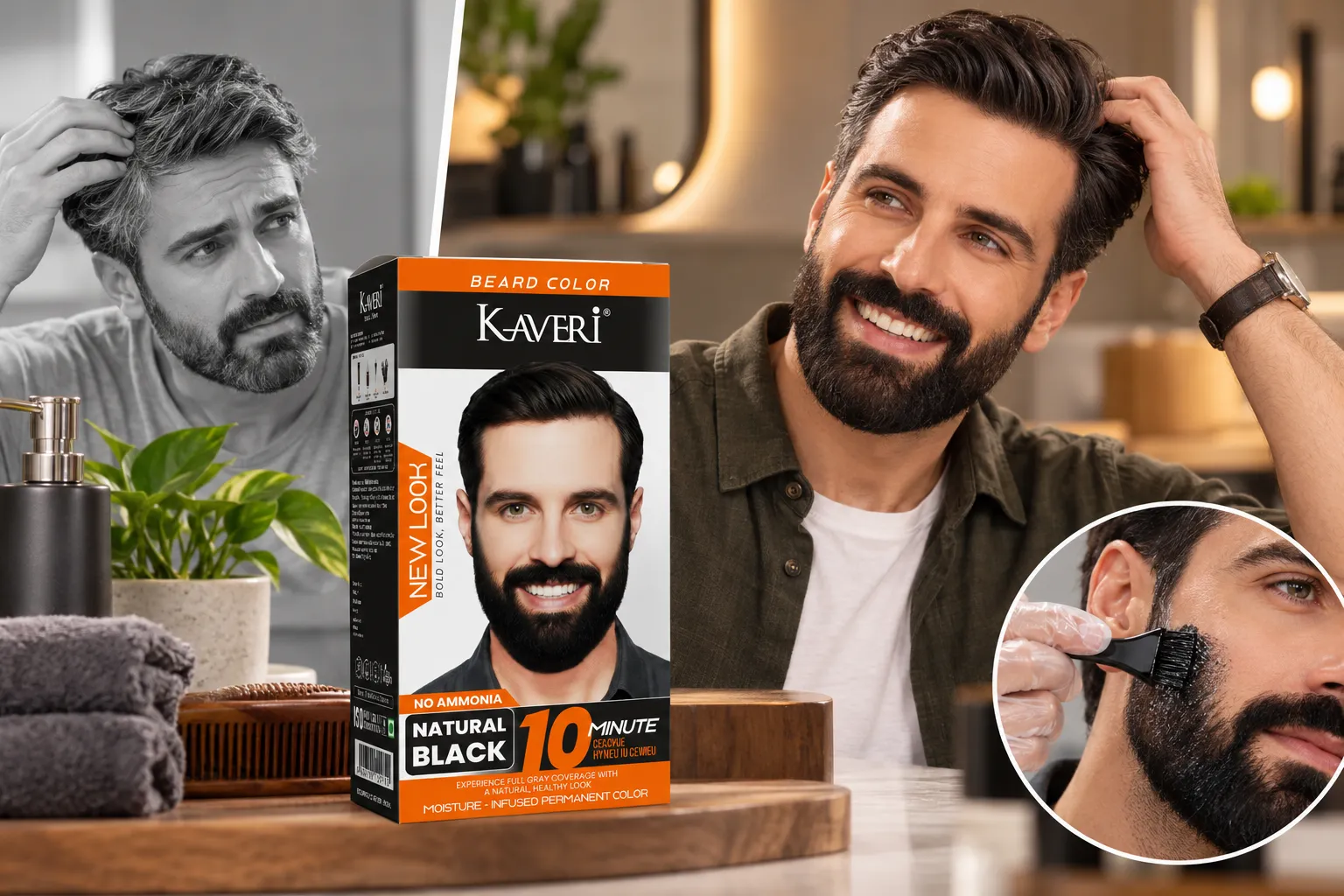
The same principle applies to facial hair. A dedicated beard hair color product may suit someone who prefers a more uniform beard shade. Choose a formulation intended for facial hair and follow its safety instructions.
And if you prefer an ayurvedic Shampoo, choose one according to its actual formulation and your hair-care needs rather than expecting it to restore pigment or prevent greying.
The goal is not to find one colouring method that everyone should use. It’s to understand the available options well enough to choose the one that suits you.
The Beauty Routine You No Longer Need to Explain
There is something refreshing about making a personal decision without turning it into a declaration.
You don’t need to announce that you’re embracing your natural colour. You don’t need to explain why you continue colouring your roots. You don’t need to make your hair a symbol of anything unless you want to.
Perhaps you’ll wear your silver strands proudly. Perhaps you’ll return to your favourite shade. Perhaps your decision will change over time.
All of those possibilities are perfectly reasonable.
The more useful question is whether your routine feels like something you chose, rather than something you continue because changing it never occurred to you.
And that question goes beyond hair colour. It applies to the beauty habits we maintain simply because they’ve always been part of our lives.
So, what does owning your grey actually mean?
It doesn’t necessarily mean letting every silver strand grow untouched.
It can mean understanding that grey hair is a natural change, learning what your options are and deciding how you want to respond. For one person, that means embracing their natural colour. For another, it means continuing to colour their hair without feeling that they have to justify it.
There is no universal transformation waiting at the end of this process.
You might discover a new appreciation for your natural hair. You might decide that your existing colour is still your favourite. Either way, the decision becomes more personal when you stop treating grey as something that automatically requires correction.
Perhaps the real change isn’t learning to love every grey strand. It’s realising that you were always allowed to choose what happens next.