
There is a difference between wanting better skin and wanting it by tomorrow morning.
The first usually involves patience, consistency and finding products that work for your skin. The second often begins with a late-night search for a face pack that promises everything: fewer blemishes, a brighter complexion, smoother texture and an overnight glow.
It is an appealing promise, especially before a wedding, a family celebration or an important meeting. But trying to correct every little imperfection in one evening can leave your skin more irritated than it was before.
Instead of chasing an overnight transformation, focus on what you can realistically achieve. A gentle routine, adequate moisturising and carefully chosen skincare products can help your face look more comfortable and refreshed without unnecessary experimentation.
Traditional herbal ingredients can also be interesting additions to personal care, provided you understand their intended uses and limitations.
Why Your Skin Can Look Different From One Day to the Next
Skin doesn’t always look the same every morning. Changes in hydration, sleep, weather, environmental exposure and irritation can influence its appearance.
When skin feels dry, its surface may appear rough or flaky. When you haven’t slept well, your face may look tired or puffy. A new blemish can also draw attention simply because it appeared at an inconvenient time.
These concerns need different approaches. Applying a drying mask to already dry skin may make it feel worse, while repeatedly scrubbing a blemish can increase irritation.
Begin with a gentle cleanser and a moisturiser you already tolerate. If puffiness is your main concern, a clean, cool compress may feel soothing. Avoid picking spots or introducing strong exfoliants immediately before an important event.
The objective is to support your skin, not force it to change faster than it naturally can.
Herbal Skincare Begins With Choosing the Right Ingredients
Herbal powders are widely used in traditional personal-care practices, but not every ingredient is suitable for every application. Some are commonly associated with hair care, while others appear in cosmetic preparations intended for the skin.
Amla powder, for example, is traditionally associated with hair-care routines. It should not automatically be treated as a facial ingredient simply because it is plant-derived.
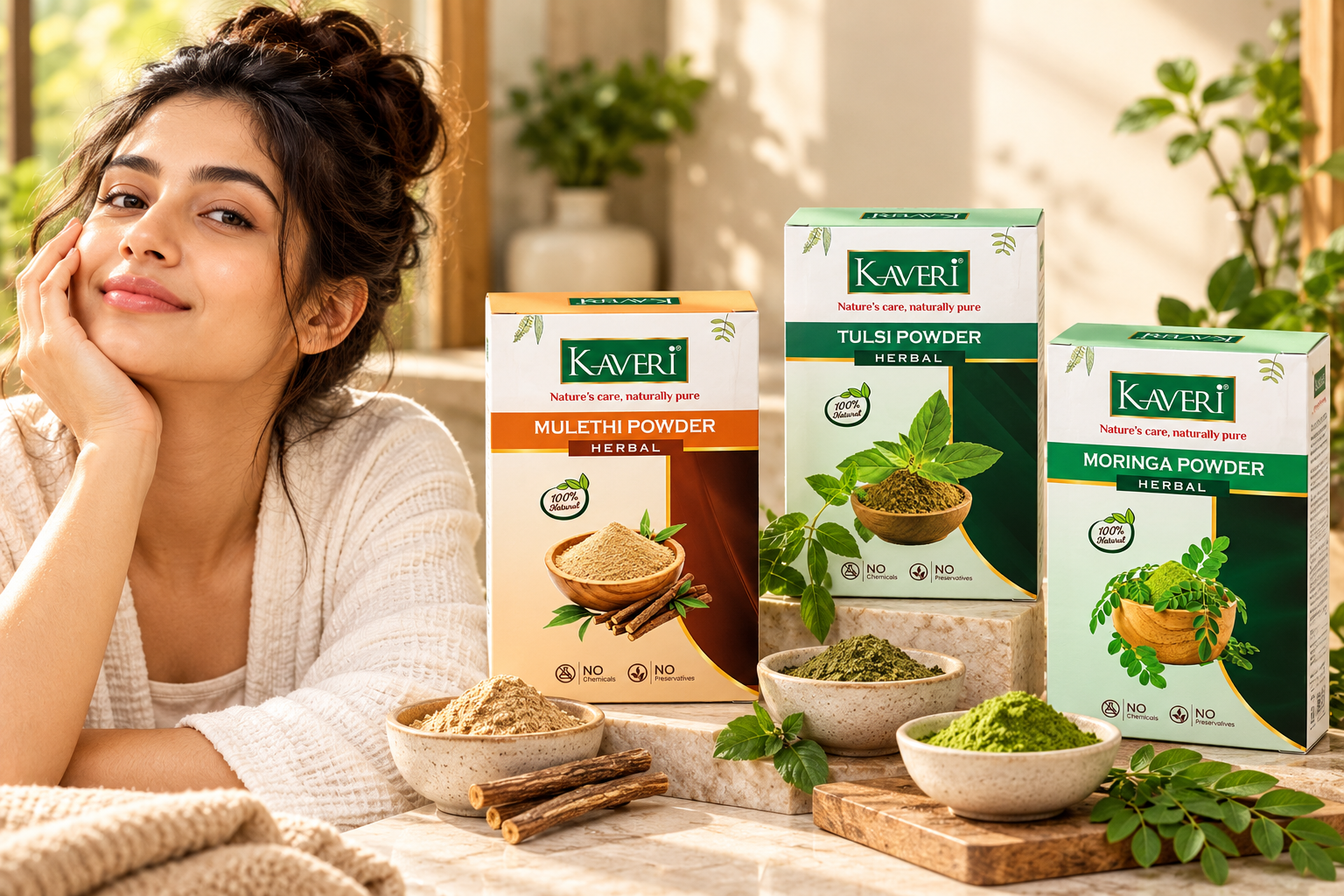
Similarly, moringa powder and tulsi powder appear in botanical product ranges, but their suitability depends on the formulation and intended use. Mulethi powder is another ingredient encountered in traditional cosmetic preparations.
When choosing a herbal product, check the complete ingredient information, ensure it is intended for topical cosmetic use and follow the manufacturer’s directions. A botanical label does not guarantee that a product will be gentle on sensitive skin.
If you have never used an ingredient before, avoid testing it immediately before an important event. Introducing unfamiliar products gradually gives you a better opportunity to notice any unwanted reaction.
Ubtan and Traditional Beauty Rituals: What to Keep in Mind
Ubtan has a long association with traditional beauty rituals, particularly wedding preparations. Its appeal lies in the combination of personal care and the time set aside for the ritual itself.
A product containing ubtan powder may include different ingredients depending on its formulation. If you already use a particular cosmetic preparation comfortably, follow its directions and avoid vigorous rubbing.
Other ingredients, including neem powder and red sandalwood powder, also appear in traditional botanical beauty products. However, traditional use alone does not establish that every preparation is appropriate for every skin type.
The same caution applies to turmeric powder, which is widely discussed in traditional skincare. Turmeric-containing preparations may stain, and some mixtures can irritate sensitive skin.
Rather than combining several powders into a homemade face pack, choose a clearly labelled cosmetic product that suits your needs. Avoid applying unfamiliar mixtures to irritated, broken or freshly exfoliated skin.
A traditional beauty ritual can be part of a thoughtful routine without being treated as an overnight cure.
Why Some Popular Face-Pack Ingredients Need Extra Care
Many homemade skincare recipes combine ingredients because they are familiar, inexpensive or readily available. But ingredients intended for food, hair care or other purposes are not automatically suitable for facial application.
Multani mitti is used in some cosmetic preparations to absorb excess oil. However, it may leave certain skin types feeling dry or tight, particularly when used too frequently.
Lemon peel powder also deserves caution because citrus-derived preparations can irritate some people, depending on the formulation and how they are used.
Other botanical ingredients, such as manjistha powder, appear in traditional cosmetic and personal-care ranges. Their suitability depends on the particular product rather than the ingredient name alone.
If a preparation causes burning, stinging or increasing redness, rinse it off and discontinue use. These sensations should not be interpreted as proof that the product is working.
For anyone with sensitive skin, recurring irritation or an existing skin condition, a simple routine with suitable products is generally preferable to experimenting with multiple unfamiliar ingredients.
Not Every Herbal Powder Belongs in a Face Pack
One common source of confusion is the overlap between traditional hair-care ingredients and herbal skincare products. Online listings often place many different powders under the same broad category, even when their intended uses differ.
Reetha powder, brahmi powder and shikakai powder are commonly associated with traditional hair-care or cleansing preparations. Bhringraj powder and hibiscus flower powder are also frequently marketed for hair-related uses.
Similarly, curry leaves powder appears in botanical hair-care products. Its presence in a herbal range does not make it a suitable facial treatment.
Other ingredients, such as jatamansi powder, nagarmotha powder and methi powder, appear in various traditional botanical product categories. Indigo powder is associated with certain hair-colouring preparations, while ashwagandha powder, arjun chaal powder and bael leaf powder are also encountered in the wider herbal market.
These ingredients have different intended applications and should not be treated as interchangeable skincare solutions. Always check the product label and use an ingredient only as directed.
A long list of botanical ingredients may look impressive, but it doesn’t necessarily make a face pack more effective.
What Can Actually Help Your Skin Look Fresher by Tomorrow?
The most useful last-minute routine is usually a familiar one.
Cleanse your face gently to remove makeup, sunscreen and everyday residue. Apply a moisturiser suited to your skin, particularly if dryness is making the surface appear rough. Avoid aggressive scrubbing, picking at blemishes or trying several new products at once.
If you use makeup, choose products you already tolerate rather than experimenting with a new formula on the morning of an event. Apply sunscreen during the day as appropriate for your routine.
It is also important to keep expectations realistic. A single evening of skincare cannot reliably eliminate acne, pigmentation or persistent uneven skin tone. These concerns often require consistent care over time and, in some cases, professional advice.
If your skin develops significant swelling, a painful rash or persistent irritation, seek appropriate medical advice rather than attempting to treat it with a homemade remedy.
A Better Approach to the Night-Before Beauty Routine
The pressure to look your best can make every small imperfection seem urgent. But your skin does not need an elaborate treatment every time it looks different from the day before.
Herbal ingredients can be explored as part of a considered personal-care routine, provided they are suitable for their intended application. Choose products carefully, introduce unfamiliar ingredients cautiously and avoid assuming that natural ingredients are automatically safe for every skin type.
Most importantly, separate long-term skincare goals from last-minute expectations. If you want to address persistent acne, pigmentation or dryness, a consistent routine will be more useful than repeatedly switching between quick remedies.
The most effective last-minute beauty decision may be to keep your routine simple, protect your skin from unnecessary irritation and give it the care it actually needs.