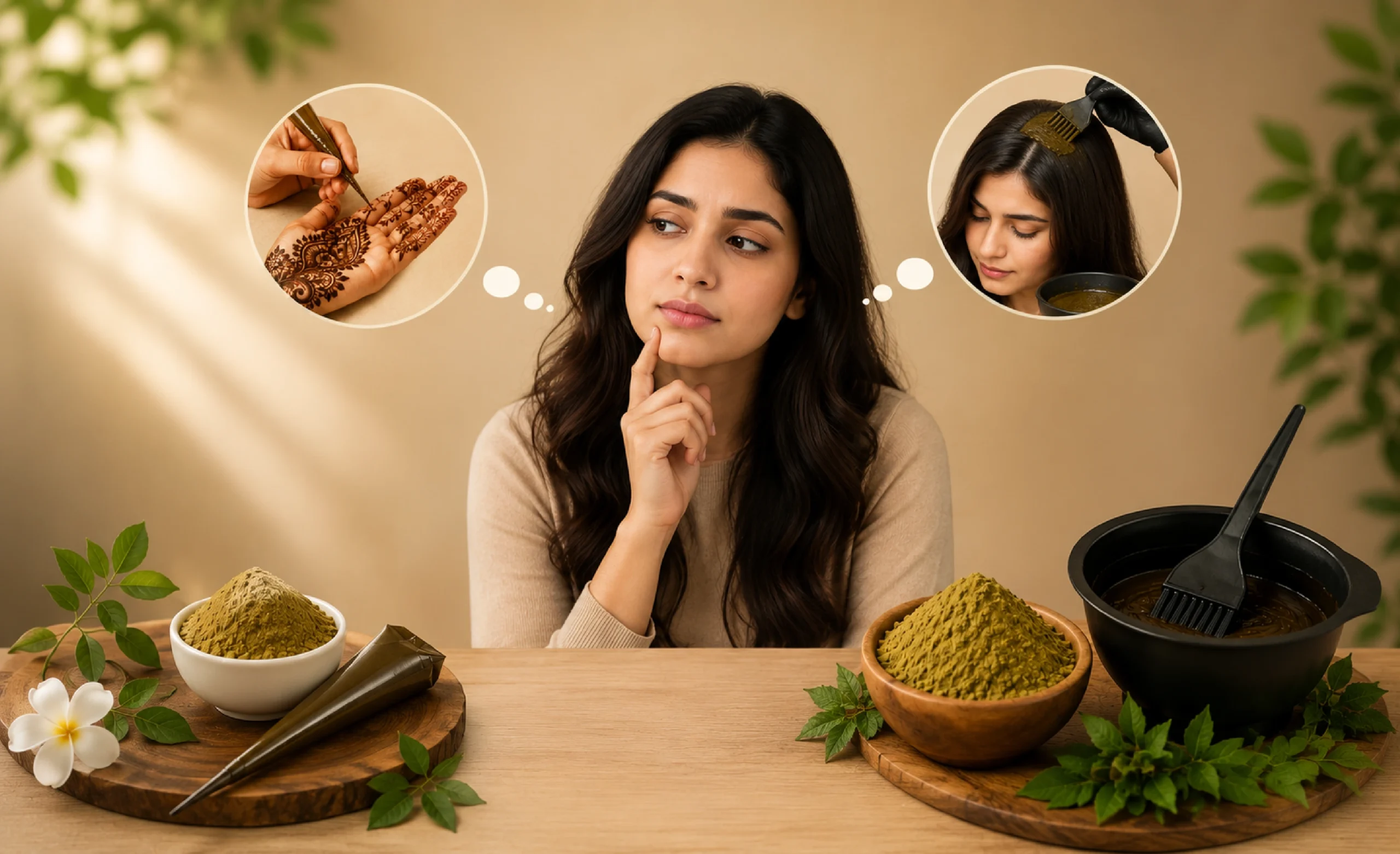
Walk into any beauty store or search online for henna products, and you’ll quickly notice something confusing. Some products are labelled as mehendi, others as henna, while many are marketed specifically for hair. At first glance, they all seem similar because they originate from the same natural plant. However, once you start comparing them, you’ll realise they are created for completely different purposes.
This is where many people make their first mistake.
Someone looking for a natural way to colour their hair may accidentally purchase a decorative cone, while another person preparing for a wedding might buy a hair formulation instead of one designed for creating beautiful body art. The result is often disappointment—not because the product is poor, but because it was never intended for that purpose.
Understanding the difference before buying helps you avoid these mistakes and ensures you choose a product that matches your needs. Whether you’re decorating your hands for a special celebration or exploring natural alternatives for hair care, selecting the correct formulation makes a significant difference to the final results.
In this guide, you’ll learn how these products differ, when each one should be used, and how to identify the right option with confidence.
Although all three products originate from the henna plant (Lawsonia inermis), they are designed for different purposes. A mehendi cone is prepared for decorative body art on the hands and feet, while hair-specific formulations are developed for colouring and conditioning hair. Understanding these differences helps you choose the right product and achieve better results.
At a Glance
| Product | Best For | Where It’s Used |
| Mehendi Cone | Traditional & decorative body art | Hands and Feet |
| Henna Cone | Decorative body art | Hands and Feet |
| Hair Henna | Natural hair colouring and conditioning | Hair |
Why Do So Many People Get Confused?
One of the biggest reasons is the way these products are marketed.
The words mehendi and henna are often used interchangeably, making it easy to assume they are exactly the same. In reality, the difference lies in how the product is formulated and where it is meant to be applied.
For example, a body art cone needs a smooth consistency that allows intricate designs to be drawn with precision. Hair formulations require a completely different texture so they can spread evenly from roots to ends and provide consistent coverage.
Without understanding these differences, many people unknowingly purchase products that don’t match their intended purpose.
Why This Guide Matters
Choosing the right henna product isn’t only about getting better colour.
It also helps you:
- Select a product designed for your specific requirement.
- Avoid common buying mistakes.
- Understand the purpose of different henna formulations.
- Make informed purchasing decisions.
- Enjoy a better overall application experience.
Whether you’re buying your first henna product or looking to understand the differences between various formulations, this guide will help you make the right choice.
Understanding the Henna Plant
Every authentic henna product begins with the leaves of Lawsonia inermis, a flowering shrub that has been used for centuries in traditional beauty practices.
After harvesting, the leaves are carefully dried and ground into a fine powder. From this point onwards, the manufacturing process changes depending on the product being created.
Some formulations are prepared for decorative body art, while others are developed specifically for natural hair care. The difference lies not in the plant itself but in how the raw material is processed, prepared, and intended to be used.
This explains why products made from the same plant can deliver completely different experiences.
Did You Know?
Henna contains a natural colouring molecule called lawsone, which gradually binds to proteins found in the skin and hair. This is why authentic henna develops colour naturally over time rather than producing an instant stain immediately after application.
What Is Mehendi?
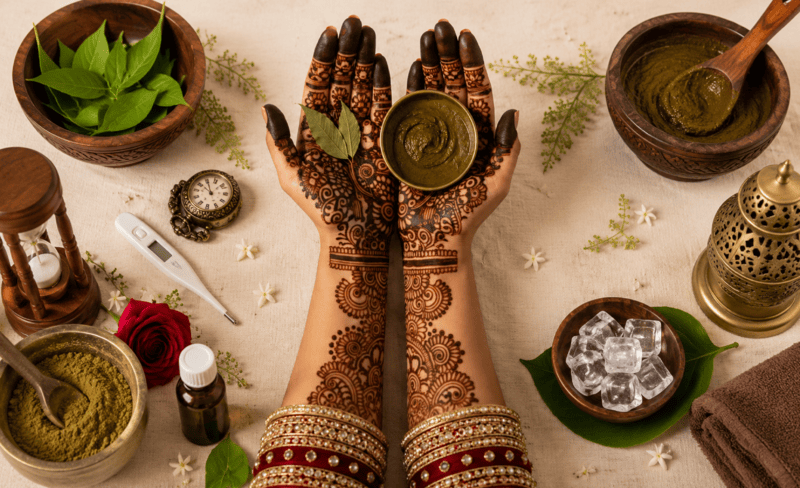
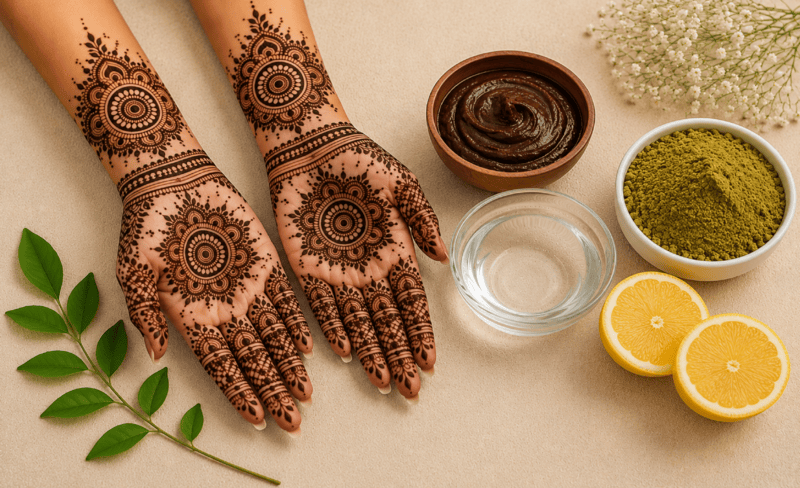
Mehendi is one of the oldest forms of temporary body art and has been celebrated for generations during weddings, festivals, and cultural occasions. Its intricate patterns are not only decorative but also hold traditional significance in many parts of the world.
Today, most people prefer using a ready-to-apply mehendi cone because it offers convenience without the need to prepare the paste manually. Whether you’re a beginner or an experienced artist, a well-prepared cone allows better control while creating fine and detailed designs.
A quality body art cone should provide:
- Smooth and even flow.
- Fine consistency for detailed patterns.
- Comfortable application.
- Reliable natural colour development.
- Consistent performance throughout use.
However, the final stain also depends on factors such as skin type, application technique, and proper aftercare.
Expert Insight
At Kaveri Mehendi, one of the most common questions we receive is whether every henna product can be used in the same way. The answer is simple—always choose a product according to its intended purpose. A formulation created for decorative body art performs best on the skin, while products developed for hair are designed to provide better application and more consistent coverage.
This simple distinction helps avoid disappointment and ensures you achieve the results you expect.
What Makes Hair Henna Different?
Although both products originate from the same plant, their purpose is completely different.
Hair formulations are prepared to spread comfortably through the hair, making them suitable for colouring and conditioning rather than drawing detailed patterns. Depending on the formulation, they may also include carefully selected herbal ingredients that support healthier-looking hair.
For those who enjoy traditional hair care routines, Organic Henna Powder remains a popular option because it allows users to prepare fresh mixtures according to their individual preferences before application.
The important thing to remember is that decorative body art products and hair products should never be considered interchangeable simply because they share the same natural origin.
Buyer Checklist
Before purchasing any henna product, ask yourself these questions:
✔ What is my purpose—body art or hair colouring?
✔ Is the product intended for skin or hair?
✔ Have I checked the ingredient information?
✔ Does the brand clearly explain how the product should be used?
✔ Am I buying from a trusted manufacturer?
Taking a minute to answer these questions can help you avoid buying the wrong product.
Mehendi Cone vs Henna Cone: Is There Really a Difference?
One of the biggest misconceptions is that a mehendi cone and a henna cone are two completely different products. In reality, both are primarily designed for decorative body art, but the terminology often changes depending on the country, brand, or audience.
In India, the term mehendi is more commonly used because it is closely associated with weddings, festivals, and traditional celebrations. Internationally, the same style of product is often referred to as a henna cone. Although the names may differ, their purpose remains largely the same—creating temporary designs on the skin using natural henna.
Rather than focusing only on the product name, it is more important to understand its intended use, ingredient quality, and overall formulation.
Quick Comparison
| Feature | Mehendi Cone | Henna Cone |
| Primary Purpose | Decorative body art | Decorative body art |
| Common Usage | India | International markets |
| Application Area | Hands & Feet | Hands & Feet |
| Ready to Use | Yes | Yes |
| Ideal For | Weddings, festivals & celebrations | Traditional and modern henna designs |
Key Takeaway: In most cases, the difference is in the naming rather than the purpose. Always read the product description before purchasing.
Why Are These Products Prepared Differently?
Many people believe that because every henna product comes from the same plant, they should all perform in the same way. However, that’s not how product formulation works.
A cone designed for body art must produce a paste that flows smoothly through a fine nozzle, allowing detailed designs to be created without interruption.
Hair formulations, on the other hand, need an entirely different consistency. They must spread evenly across the hair, remain easy to work with during application, and provide uniform coverage from roots to ends.
This difference in consistency is one of the main reasons why body art products and hair formulations should never be considered interchangeable.
What Is Hair Henna?
Hair henna refers to formulations created specifically for colouring and conditioning hair. Instead of producing decorative patterns, these products are designed to coat the hair evenly while supporting a more natural colouring process.
Many people choose hair henna because it offers a traditional, plant-based approach to hair colouring. Depending on the formulation, it may also contain herbal ingredients selected to improve the overall appearance and manageability of the hair.
Unlike products intended for skin application, hair formulations are developed with ease of application and even distribution in mind.
Why Many People Prefer Ready-to-Use Hair Formulations
Preparing henna at home requires time, the correct consistency, and proper mixing techniques. This is one reason why many users now prefer henna paste for hair, especially when they want a more convenient application process.
A ready-to-use formulation removes the guesswork involved in preparing the mixture while helping achieve a more consistent application.
For beginners, it can also make the colouring process simpler and less time-consuming.
Did You Know?
The quality of the final result depends not only on the henna itself but also on how the product has been processed, stored, and prepared before application. A carefully formulated product generally provides a smoother application experience and more consistent performance.
Can One Henna Product Be Used for Both Hands and Hair?
This is one of the questions people ask most often.
The answer is simple:
No, it is always better to use a product according to its intended purpose.
Although decorative cones and hair formulations share the same natural origin, they are prepared differently to deliver different results.
A body art product is designed to create precise patterns on the skin.
A hair formulation is developed to spread comfortably through the hair while providing even coverage.
Choosing the correct formulation not only improves the application process but also helps you achieve the results you expect.
Common Buying Mistakes
Many disappointing experiences happen because buyers unknowingly select the wrong product.
Here are some of the most common mistakes to avoid.
Buying Based Only on the Name
Seeing the word “henna” on the packaging doesn’t necessarily mean the product is suitable for every purpose. Always check whether it has been developed for skin application or hair care.
Ignoring the Product Description
A few moments spent reading the instructions can save you from purchasing a product that doesn’t match your intended use.
Choosing Price Over Quality
While affordable options are widely available, product quality often influences consistency, application, and overall performance. Choosing a trusted brand usually results in a better experience.
Expecting Every Henna Product to Deliver the Same Results
Natural henna products vary depending on their formulation and intended purpose. Comparing a body art cone with a hair colouring formulation isn’t an accurate comparison because they are designed to achieve different outcomes.
Expert Tip
When shopping online, don’t rely solely on product images. Instead, read the product description carefully and check whether it clearly states the intended application. A trusted manufacturer will always explain whether the product is designed for body art or hair use.
How to Decide in 30 Seconds
Still confused? Use this simple guide.
Choose a Mehendi Product If:
✔ You want decorative designs for weddings, festivals, or celebrations.
✔ Your priority is temporary body art.
✔ You need smooth application for detailed patterns.
Choose a Hair Product If:
✔ Your goal is natural-looking hair colour.
✔ You want a formulation prepared specifically for hair.
✔ You prefer easier application and even coverage.
Choosing according to your purpose is the simplest way to avoid mistakes and achieve better results.
How to Choose the Right Henna Product for Your Needs
Choosing the right henna product becomes much easier when you first identify your purpose. Instead of selecting a product simply because it contains henna, think about what you want to achieve.
Are you looking for beautiful body art for a special occasion? Or are you searching for a natural way to colour and care for your hair?
Once your goal is clear, selecting the right product becomes much simpler and helps you achieve better results from the very first application.
Which Henna Product Is Right for You?
Every henna product is developed with a specific purpose in mind. Using the correct formulation improves both the application process and the final outcome.
Choose a Mehendi Product If You Want To:
- Create bridal or festive body art.
- Apply traditional or modern henna designs.
- Use a ready-to-apply product for hands and feet.
- Enjoy a rich natural stain after proper aftercare.
Choose Hair Henna If You Want To:
- Colour your hair naturally.
- Maintain healthy-looking hair while colouring.
- Use a plant-based colouring alternative.
- Improve the overall appearance of your hair.
When Should You Choose Organic Henna Powder?
If you enjoy preparing your own herbal hair treatments, Organic Henna Powder is an excellent choice. It allows you to prepare a fresh mixture according to your preferred consistency while following your own hair care routine.
Many experienced users prefer this traditional method because it offers greater flexibility during preparation.
Buyer Checklist
Before purchasing any henna product, take a few moments to check these important points.
✔ Is the product intended for skin or hair?
✔ Does the brand clearly mention the ingredients?
✔ Are the usage instructions easy to understand?
✔ Is the packaging properly sealed?
✔ Does the manufacturer provide clear product information?
✔ Are you purchasing from a trusted brand?
A simple checklist like this helps you avoid buying products that don’t match your needs.
Common Myths About Henna
Henna has been used for centuries, yet several misconceptions still exist.
Myth 1: Every Henna Product Works the Same Way
Reality
Different formulations are created for different applications. Decorative body art products and hair formulations are prepared differently to deliver the best results for their intended purpose.
Myth 2: Darker Colour Always Means Better Quality
Reality
Colour development depends on several factors, including ingredient quality, application technique, skin or hair condition, and proper aftercare.
Myth 3: One Henna Product Can Be Used Everywhere
Reality
Although they originate from the same plant, body art products and hair formulations are designed differently. Choosing the correct formulation improves both application and final results.
Myth 4: Natural Henna Gives Instant Colour
Reality
Authentic henna develops gradually. The colour usually deepens over the next 24 to 48 hours as the natural dye binds with the skin or hair.
Expert Recommendation
One of the biggest mistakes first-time buyers make is selecting products based only on attractive packaging or online images.
At Kaveri Mehendi, we always recommend reading the product description carefully before making a purchase. Understanding where the product is intended to be used—whether on the skin or the hair—is the simplest way to avoid disappointment and achieve the best possible results.
Frequently Asked Questions
Is there any difference between mehendi and henna?
Henna refers to the natural plant (Lawsonia inermis), while mehendi usually refers to the decorative art created using henna paste on the skin. The terms are often used interchangeably, but their meaning depends on the context.
Can I use a henna cone for colouring my hair?
No. A henna cone is prepared for decorative body art. Hair colouring products are formulated differently to ensure easier application and more even coverage.
Is henna paste for hair suitable for beginners?
Yes. Ready-to-use henna paste for hair is often preferred by beginners because it reduces preparation time and makes the colouring process more convenient.
Can I prepare henna at home?
Yes. Many people prepare fresh herbal mixtures using Organic Henna Powder, allowing them to customise the consistency according to their personal preference and hair type.
How do I know which henna product is right for me?
The easiest way is to identify your purpose before purchasing. Products developed for body art should be used for decorative designs, while products created for hair should be selected when your goal is natural hair colouring.
Why Trust Kaveri Mehendi?
At Kaveri Mehendi, we believe that choosing the right henna product shouldn’t be confusing.
Our goal is to educate customers with clear, accurate information while offering products developed for specific needs. Whether you’re looking for traditional body art or natural hair care solutions, understanding the purpose of each formulation helps you make better purchasing decisions and enjoy a more satisfying experience.
Final Thoughts
Although mehendi cone, henna cone, and hair henna all originate from the same remarkable plant, they are created with different purposes in mind. Understanding these differences allows you to choose the right product confidently instead of relying only on product names or packaging.
If your goal is creating beautiful body art for weddings or festivals, choose a product designed specifically for decorative application. If you’re looking for a natural way to colour and care for your hair, select a formulation prepared for hair use.
Choosing the correct product not only improves the final results but also helps you enjoy the traditional benefits of henna in the way it was intended to be used.