You know what hurts more than a bad haircut? Spending 40 minutes washing your hair, using your favourite products, following every step you remember—and still ending up with hair that looks like it has had a terrible day.
Your roots are flat. Your ends look thirsty. Your hair refuses to hold a style, and somehow, it looks greasy again before you’ve even finished enjoying your freshly washed hair.
So, naturally, you blame the shampoo.
You buy another bottle. Then a serum. Then that hair mask everyone on social media claims changed their life.
But what if the problem isn’t what you’re buying? What if it’s what you’re doing?
From shower habits you barely notice to hair-care advice that sounds convincing but doesn’t suit everyone, some of our everyday routines can work against the results we’re trying to achieve. And the frustrating part? We often repeat them for years without questioning them.
Let’s talk about the hair-washing habits that deserve a second look.
Your Shampoo Has One Job. Why Are You Asking It to Do Everything?
Somewhere along the way, shampoo became responsible for everything: shine, volume, softness, strength, smoothness and apparently a complete personality transformation.
But shampoo’s primary job is to cleanse your scalp and hair.
If your scalp gets oily quickly, you may need a formula that removes excess oil effectively. If your hair is dry, curly or chemically treated, a gentler cleansing approach may be more comfortable.
The mistake happens when we expect one product to solve every concern.
Imagine buying a face wash and expecting it to replace your moisturiser, sunscreen and entire skincare routine. That would be asking a lot from one bottle.
Hair care works similarly. Shampoo cleanses; conditioner helps improve softness and manageability; styling products serve other purposes.
Try this: Focus shampoo on your scalp, massage gently with your fingertips and rinse thoroughly. Let the lather pass through your lengths instead of aggressively rubbing them together.
Your hair doesn’t need a wrestling match to get clean.
The Hot-Shower Habit That Feels Amazing Until Your Hair Starts Complaining
It’s cold outside. You’ve had a long day. A steaming shower feels like the only reasonable thing to do.
Five minutes become fifteen, the bathroom fills with steam, and your scalp gets the hottest water setting available.
The problem isn’t that warm showers are automatically bad. It’s that excessive heat can aggravate scalp discomfort and contribute to dryness, particularly when your hair is already fragile or chemically treated.
And when you combine very hot water with frequent heat styling and rough towel-drying, your hair may become harder to manage.
You don’t need to finish your shower with freezing water or follow an elaborate hair ritual from the internet. Choose comfortably warm water, handle your hair gently and use a suitable heat setting when blow-drying.
Sometimes, better hair care begins with turning a dial—not buying another product.
Your Roots Are Greasy, but Your Ends Are Dry. Welcome to the Confusing World of Hair Care.
If your roots become oily while your ends feel rough, you might assume your hair is impossible to please.
It isn’t. Different parts of your hair simply have different needs.
Your scalp naturally produces oil. Your ends, particularly if your hair is long, may have experienced years of brushing, heat styling, colouring and friction. They can need conditioning even when your roots look greasy.
This is why skipping conditioner completely isn’t always the answer.
Apply shampoo mainly to your scalp, then use conditioner on the mid-lengths and ends. Choose a lighter formula if your hair gets weighed down easily, or a richer conditioner if your lengths need more slip and softness.
And forget the idea that everyone must wash their hair on the same schedule. Your scalp, activity level, hair texture and styling habits should help determine how often you wash.
The secret isn’t finding one product that treats every strand identically. It’s understanding that your roots and ends aren’t asking for the same thing.
The Shower Is Over. Now Comes the Part Where Most of Us Get Impatient.
You turn off the tap, grab a towel and start rubbing your hair like you’re trying to erase a stubborn stain.
Then you twist it tightly, pull at a knot and wonder why your hair looks frizzy once it dries.
Sound familiar?
Wet hair is more vulnerable to stretching and breakage, especially when tangled. Vigorous rubbing and forceful brushing can create unnecessary friction.
Instead, gently squeeze out excess water and press your hair with a soft towel or cotton T-shirt. If you need to detangle it, work carefully from the ends upwards.
And if your hair is naturally curly or textured, gentle handling can help you avoid disturbing its natural pattern.
You don’t need an expensive salon treatment to stop being rough with your hair. You just need to stop treating the towel as though it’s in a race against time.
The Biggest Hair-Care Mistake Might Be Following Someone Else’s Routine
Your friend washes her hair every morning and swears it gives her incredible volume. A beauty creator says washing less frequently transformed her hair. Someone else insists that a particular botanical shampoo is the only one worth using.
You try all three approaches.
Your hair remains unimpressed.
Here’s what often gets lost in online hair-care advice: a routine that works for one person may be completely unsuitable for another.
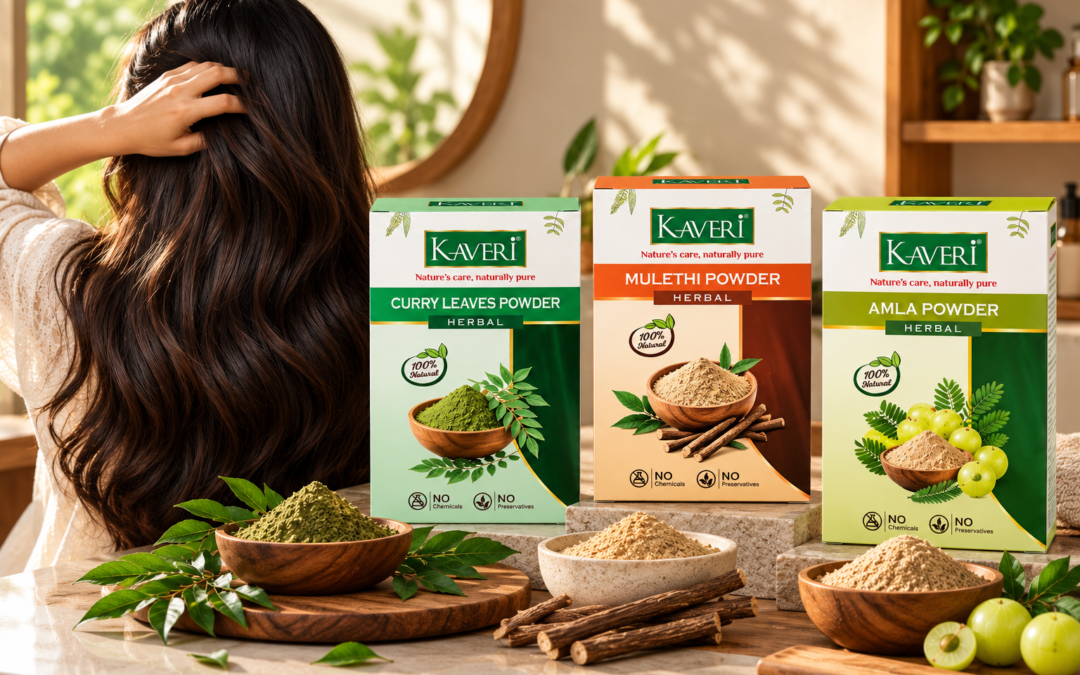
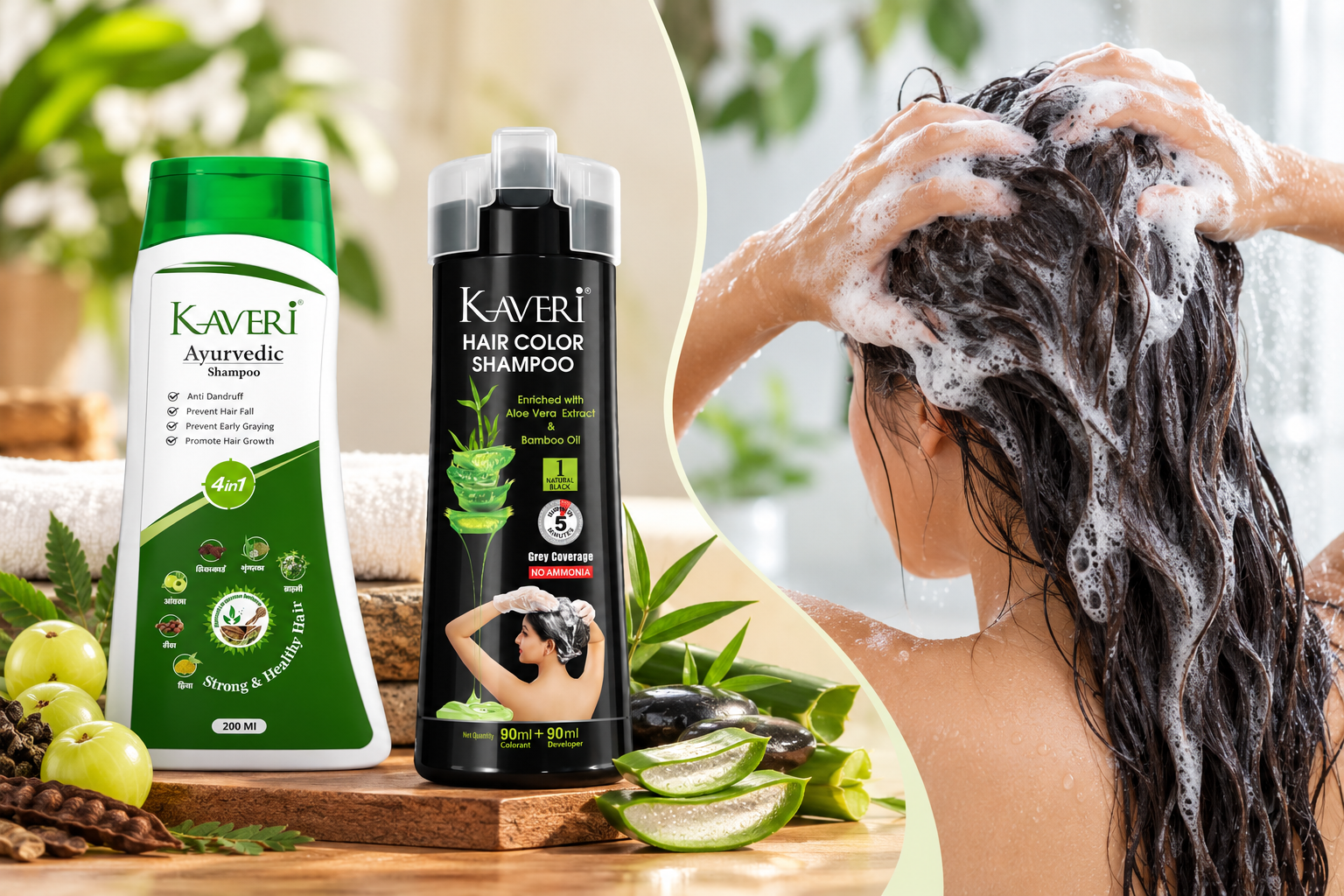
An ayurvedic Shampoo, for example, may appeal to someone who prefers botanical ingredients or traditional formulations. But the label alone doesn’t guarantee that it will suit every scalp or address every hair concern.
Look at the formulation, consider your needs and pay attention to how your scalp responds. Natural ingredients can still cause irritation in some people.
The same principle applies to washing frequency, conditioners and hair masks. Your hair type, scalp condition, environment and styling habits all influence what works.
Instead of asking, “What is everyone using?”, try asking, “What does my hair actually need?”
It’s a much better starting point.
Why Does Your Hair Look Flat Even After You’ve Just Washed It?
You have shampooed, conditioned and rinsed. Yet, after drying, your hair looks heavy, lacks movement and seems to have lost all its volume.
Before declaring your shampoo a failure, look at the smaller details.
Are you applying too much conditioner near your roots? Are you using several leave-in products at once? Could styling residue be building up? Are you rinsing thoroughly, especially underneath thick hair?
Sometimes, the problem isn’t that your hair needs more cleansing. It may be that your routine is leaving too much product behind.
Start with smaller quantities, apply conditioner where it is needed and rinse carefully. If your hair consistently feels coated, review your styling products instead of repeatedly scrubbing harder.
And remember: naturally fine hair won’t necessarily behave like thick hair in a shampoo advertisement. The goal is manageable hair that suits you, not a permanent salon blowout.
Colour-Treated Hair Has Its Own Set of Rules
If you colour your hair, washing isn’t just about removing dirt. It is also about caring for hair that may already have experienced chemical processing.
A Henna Based Hair Color may be an option for those exploring henna-based colouring products, but formulations vary. Check the ingredients and instructions carefully, particularly if you have previously used other colour treatments.
A Hair color Shampoo may be designed to deposit or refresh colour, depending on its formulation. Don’t assume that every product with this name works like a regular cleansing shampoo.
The same care applies to a Hair color Dye. Follow the manufacturer’s instructions, including any required allergy-alert testing, and never apply a colouring product to irritated or damaged skin.
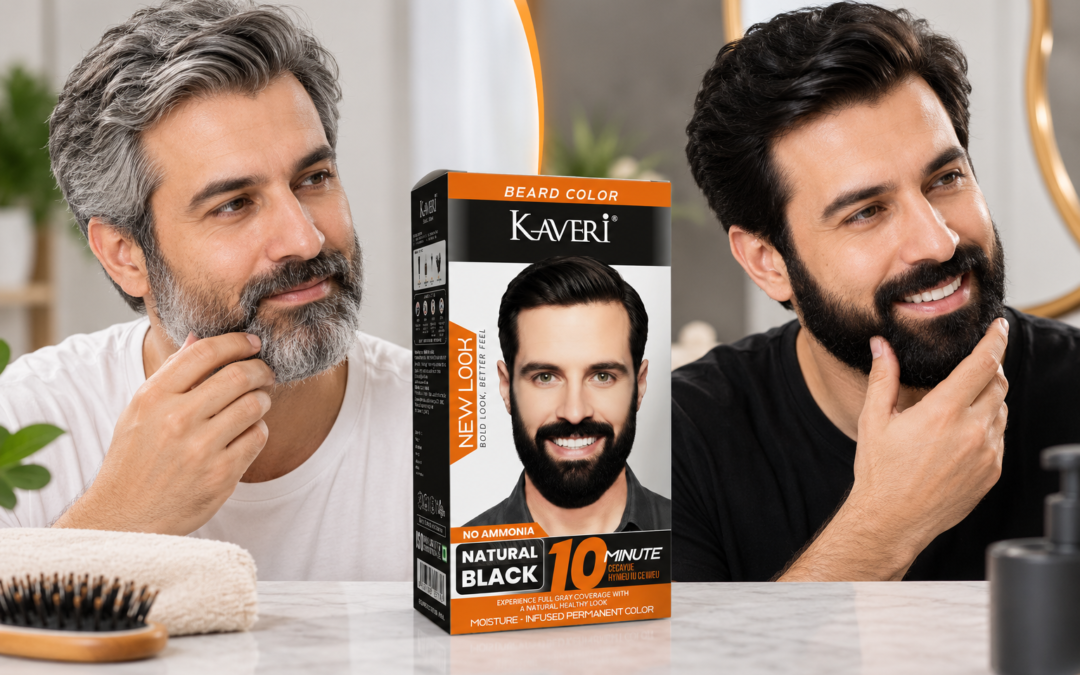
For men who colour their facial hair, beard hair color should be specifically intended for that use. A product designed for scalp hair is not automatically suitable for the face.
Whatever colouring method you choose, gentle cleansing and careful heat styling can help you manage your hair. No product can promise that colour will never fade or that damaged strands will become completely undamaged.
The important thing is to understand the product you’re using instead of expecting every bottle to perform the same job.
Let’s Make Your Next Hair Wash an Experiment
Forget changing your entire routine tonight. You don’t need six new products and a bathroom shelf that looks like a beauty store.
For your next few washes, try three simple changes.
First, be gentler. Massage your scalp with your fingertips instead of scratching or rubbing aggressively.
Second, use products strategically. Cleanse your scalp, condition your lengths and avoid applying more product than you need.
Third, pay attention after the shower. Blot your hair instead of rubbing it, detangle carefully and avoid unnecessary heat.
Then observe what happens. Does your hair feel easier to manage? Are your ends less tangled? Does your scalp feel comfortable? Those observations can help you identify which habits are worth changing.
If you experience persistent scalp irritation, sudden excessive shedding or noticeable bald patches, consult a dermatologist rather than assuming your washing routine is the only cause.
The Real Secret to Better Hair Might Be Surprisingly Ordinary
We spend so much time searching for the next miracle shampoo that we sometimes overlook the basics.
We wash too aggressively, use products without considering our needs, rush through rinsing and handle wet hair roughly. Then we wonder why our expensive products aren’t delivering the results we expected.
Better hair care doesn’t have to be complicated. It starts with understanding your scalp, choosing suitable products and giving your hair a little more consideration during and after every wash.
You may still want that lovely hair mask or the serum you’ve been eyeing. That’s fine. Just don’t expect a new bottle to compensate for habits that aren’t working for you.
Because sometimes, the hair-care upgrade you’ve been searching for isn’t sitting on a store shelf. It’s hiding in the way you wash your hair.
Meta Title (60 characters):
Hair Washing Mistakes: 7 Habits That Ruin Your Hair
Meta Description (150 characters):
Is your hair greasy, flat or frizzy after washing? Learn common hair washing mistakes and simple fixes for healthier-looking hair. ========================================================================
Grey Beard, Coloured Hair, Same Face: Why Grooming Choices Can Completely Change Your Look
Imagine two photos of the same man, taken on the same day. In one, his beard is silver, his hair is dark, and his usual hairstyle frames his face. In the other, his beard is neatly trimmed, his hair colour looks more even, and his haircut has a little more structure.
He hasn’t changed his face. He hasn’t suddenly become younger. Yet, the overall impression is different.
That’s the interesting thing about grooming: sometimes, the smallest change in colour, shape or texture can change the way your entire look comes together.
Grey hair gets blamed for making men look older. Coloured hair is often seen as an attempt to turn back the clock. But neither tells the whole story. A silver beard can look distinguished, a coloured hairstyle can look natural, and the wrong shade or an untidy trim can distract from features that would otherwise stand out.
So, should you embrace the grey, colour your hair, or do something different with your beard?
The answer starts with understanding what actually changes when you groom differently.
The Beard You See in the Mirror Isn’t Just Facial Hair
A beard does more than cover your jaw. Its length, shape, density and colour influence how your face appears.
A closely trimmed beard can make the jawline look more defined. A fuller beard can create a stronger visual frame. A well-shaped moustache can become a distinctive feature of your appearance.
Now introduce grey.
Silver strands can create contrast against darker hair and skin, making the beard stand out more prominently. For some men, that contrast looks sophisticated and confident. For others, a mixture of grey and dark strands can make the beard look uneven, particularly when the shape has grown untidy.
Neither outcome is a problem with grey itself. Sometimes, the difference comes down to grooming.
Before reaching for a colouring product, consider whether your beard needs a cleaner neckline, a more balanced length or a shape that works better with your face.
A well-groomed grey beard can look intentional. An untidy beard can look neglected, whatever its colour.
Grey Beard, Dark Hair: A Mismatch or a Signature Look?
Let’s settle one thing: your beard and scalp hair do not have to match.
In fact, the contrast can become one of the most distinctive parts of your appearance.
Dark hair with a silver beard can create a sharp, mature look. Salt-and-pepper hair paired with a fuller grey beard can feel relaxed and understated. Even predominantly grey facial hair can work beautifully with a contemporary haircut.
The key is whether the overall look feels balanced.
For example, if your beard is thick and prominent, a haircut with some structure can help the two features work together. If your beard is shorter, a softer hairstyle may create a more relaxed appearance.
You don’t need to chase a perfectly matching shade from head to chin. Natural variation is normal, and forcing every hair to the same colour can sometimes make the result look less natural.
Think of your hair and beard as two parts of one style—not two separate problems to correct.
When Does Colouring Your Hair Actually Make a Difference?
Hair colour can change the way your features stand out, but the most successful result isn’t always the darkest shade available.
Imagine choosing a colour several shades darker than your natural hair simply because you want every grey strand to disappear. Under certain lighting, the contrast between your hair, beard and skin may become more noticeable rather than less.
A shade closer to your natural colour can sometimes create a softer transition. Some men prefer to cover most grey strands, while others want a subtle blend that preserves some of their natural variation.
There is no single correct choice.
Before colouring, consider your natural hair colour, the amount of grey, your beard colour and how much visible maintenance you are comfortable with.
And remember that hair colour doesn’t need to change your identity. It can simply be another way to express the look you already have.
The Beard-Colour Decision: Cover Every Grey Strand or Keep Some Silver?
This is where personal preference matters most.
Some men enjoy the appearance of a fully grey beard. Others prefer a darker look, while many would rather soften the contrast without eliminating every silver strand.
If you’re considering beard hair color, start by deciding what you actually want to achieve. Are you trying to cover the grey completely, blend it with darker strands or make the colour look more consistent?
Those are different goals, and the product choice should reflect them.
Choose a product specifically intended for facial hair, follow its instructions and complete any required allergy-alert testing. Facial skin can be sensitive, and a product suitable for scalp hair isn’t automatically suitable for your beard.
Also consider upkeep. Colour may fade or become more noticeable as new grey growth appears, so think about whether you want to maintain the result regularly.
The best choice isn’t necessarily the one that removes the most grey. It’s the one that gives you a result you feel comfortable wearing.
Your Grooming Routine Doesn’t Need Ten Products
It’s easy to assume that a better appearance requires an elaborate routine. In reality, a few consistent habits can make a noticeable difference to how polished your hair and beard look.
Start with the basics: keep your haircut maintained, trim your beard to a shape that suits your face, cleanse your hair and scalp appropriately, and use conditioning products when needed.
If you prefer botanical formulations, an ayurvedic Shampoo may be one option to explore. However, the label alone doesn’t guarantee that a product will suit your scalp or hair. Check the ingredients and choose according to your needs.
For coloured hair, a Henna Based Hair Color may appeal to people looking for a henna-based colouring option. Formulations differ, so check the ingredients and instructions, especially if you have previously used chemical colour treatments.
A Hair color Shampoo may be intended to deposit or refresh colour, depending on the formula. It should not automatically be treated as interchangeable with an ordinary cleansing shampoo.
Likewise, a Hair color Dye should be used according to the manufacturer’s directions, including any required allergy-alert testing.
The point isn’t to collect every grooming product on the shelf. It is to understand what each product does and choose only what supports the result you want.
The Detail Most Men Overlook: Shape Can Matter as Much as Colour
Here’s a useful experiment: imagine keeping your current hair colour but changing only your haircut and beard shape.
The difference may surprise you.
A beard that is too long around the sides can make the lower face appear wider. A neckline that sits too low can make the beard look less defined. Hair that has lost its shape can make an otherwise polished appearance feel unfinished.
These details are worth considering before making a major colour change.
Ask your barber for a cut that complements your face shape and works with your natural hair texture. If you colour your hair or beard, think about how the new shade will look with that shape rather than choosing colour in isolation.
A little structure can bring the entire look together without requiring a dramatic transformation.
So, Should You Embrace Grey or Reach for the Colour?
Neither choice is automatically better.
Keeping your grey can be a confident style decision. Colouring your hair or beard can also be a perfectly reasonable preference. You don’t owe anyone a particular appearance, and there is no universal rule about when a man should start covering grey.
If you enjoy your natural silver, focus on the cut, beard shape and overall grooming. If you prefer colour, choose a shade and maintenance routine that suit your lifestyle. If you’re undecided, consider a more subtle approach rather than making a dramatic change immediately.
The most useful question isn’t, “Which look makes me appear younger?”
It’s, “Which look feels most like me?”
Because looking well-groomed is not about hiding every sign of age. It is about making choices that work together and reflect how you want to present yourself.
Same Face. Different Details. Completely Different Impression.
Grey hair is not a grooming failure. Coloured hair is not automatically artificial. And a beard doesn’t need to match the hair on your head to look good.
What matters is the overall picture: the colour, the cut, the shape and the care behind them.
Sometimes, the transformation you want begins with a better beard trim. Sometimes, it means trying a shade that feels more natural. And sometimes, it means leaving the grey exactly as it is.
Your face hasn’t changed. Your style doesn’t have to stay the same, either.