You have chosen the design. You have booked the artist. You have sent approximately seventeen reference pictures to your best friend, who has replied “THIS ONE!” to at least twelve of them.
And now the big day has arrived.
But here is something most mehendi inspiration posts won’t tell you: the most important decisions may happen before your artist draws the very first line.
The product inside the cone, the way the paste flows, the hours you spend sitting still, the stain that develops overnight and even the advice you choose to ignore can all shape your mehendi experience.
So, let’s go behind the beautiful photographs and talk about what really happens—from the moment you choose your design to the moment you finally show off your hands.
1. The Screenshot Trap: When Your Dream Design Meets Real Life
You find a gorgeous bridal design online. It has delicate flowers, tiny paisleys, intricate fingertips and patterns that extend almost to the elbows.
You show it to your artist.
“Exactly like this, please!”
Then comes the question you didn’t expect: “How much time do you have?”
Suddenly, your dream design becomes a scheduling decision.
The problem isn’t choosing an elaborate pattern. It is choosing one without considering how long it takes, how much coverage you want or whether the details suit your personal style.
A photograph can make even the most intricate design look effortless. It cannot show you the hours spent creating it.
Before booking, decide what you love most. Is it the floral detailing? The full-hand coverage? The symmetry? Or those tiny personalised elements that make bridal mehendi special?
Tell your artist which details matter most, and ask how the design can be adapted to your available time.
A good reference photograph starts a conversation. It shouldn’t become a demand for an exact copy.
2. The Cone Test: What Happens When the Paste Isn’t Playing Along?
Imagine drawing a tiny flower with a pen that keeps leaking. Now imagine trying to draw that flower hundreds of times without making a mess.
That is why the consistency of mehendi paste matters.
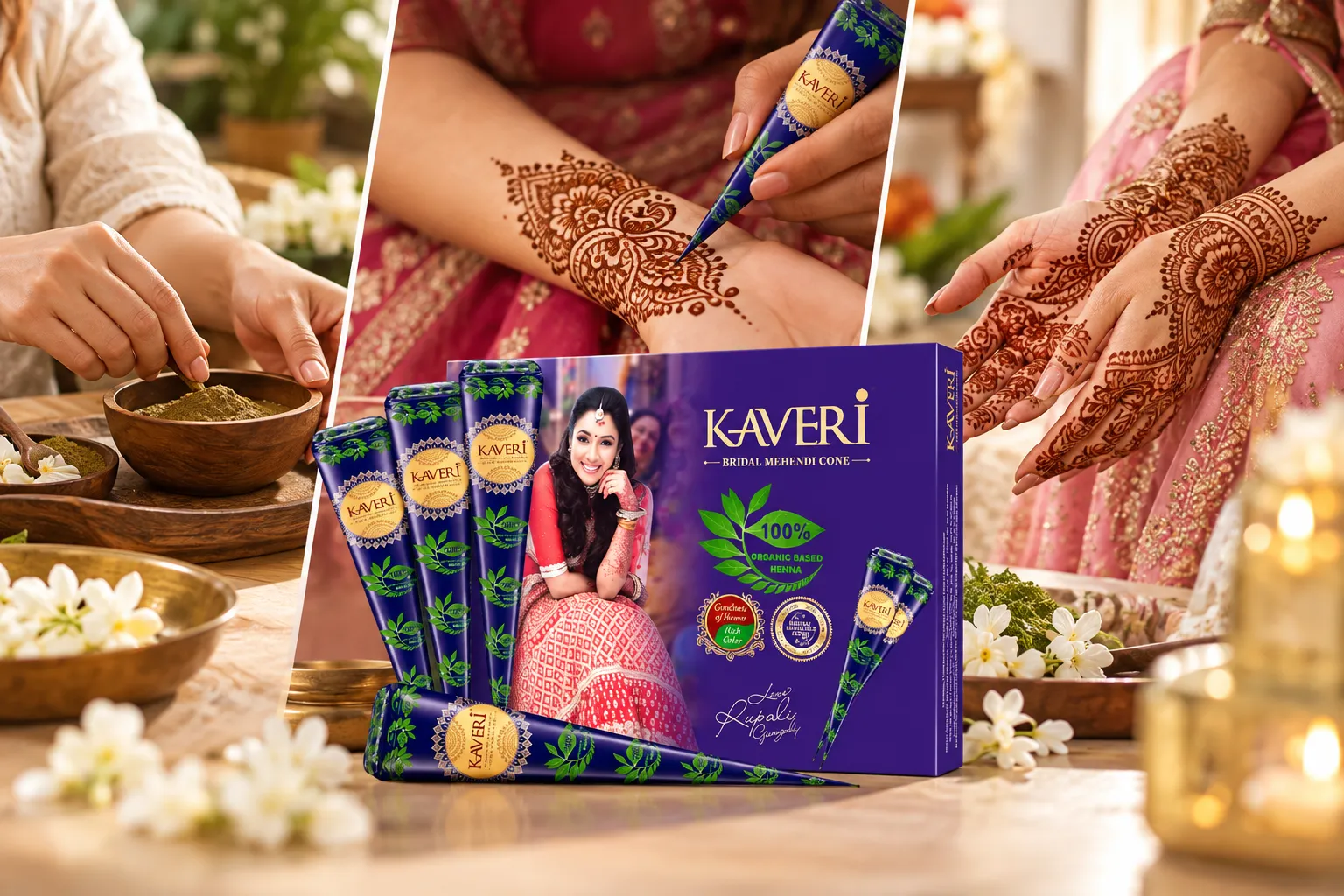
A Mehendi cone is the artist’s main tool for creating fine outlines, dots, curves and intricate motifs. If the paste flows too quickly, the lines may spread. If it is too thick, creating smooth details can become difficult.
Of course, a good cone alone cannot create a beautiful design. Technique, experience and steady hands matter just as much.
When selecting a cone, check the ingredients, intended use and product information. Buy from a trustworthy seller, and be cautious of products promising an instant jet-black stain. Some products marketed as black henna contain added chemicals that can cause serious skin reactions.
Traditional natural henna typically produces a reddish-brown stain that develops gradually.
The goal is not to find a cone that promises magic. It is to choose an appropriate product that allows the artist to do their best work.
3. Your Mehendi Appointment Needs Snacks, Patience and a Plan
Nobody warns you that getting elaborate mehendi can feel like an endurance challenge.
Your back starts complaining. Your phone is just out of reach. Someone offers you food, and you realise both hands are decorated. Suddenly, even answering a simple message requires teamwork.
And the artist is still working on your other hand.
This is exactly why preparation matters.
If you are getting a detailed design, eat beforehand, wear comfortable clothing and keep your schedule flexible. Make sure you have enough time for the appointment without needing to rush off halfway through.
For brides, timing deserves even more attention. An instant mehndi cone for bridal may make the application process convenient, but instant does not mean instant stain development. Natural henna still needs time for the colour to develop after the paste is removed.
The same principle applies to a Henna cone: the cone is an application format, not a guarantee of immediate colour.
Talk to your artist about the length of the appointment and plan backwards from your main celebration.
Your mehendi should be a memory you enjoy—not the reason you arrive late to your own function.
4. The Colour Reveal: Why the First Look Can Fool You
The paste comes off. You finally get to see your hands properly.
And instead of the deep brown you imagined, the stain looks orange.
Cue the worried messages.
“Is this normal?”
“Will it get darker?”
“Should I try something?”
Take a breath. Natural henna usually begins with an orange stain and deepens towards reddish-brown over the following 24–48 hours. The final result varies depending on the paste, application, skin and aftercare.
This means the colour you see immediately after removing the paste is not necessarily the finished result.
If your wedding or event is coming up, allow sufficient time for the stain to develop. Ask your artist about realistic expectations rather than relying on dramatic before-and-after photographs.
And resist the temptation to apply random ingredients to force a darker shade. A darker result is never worth risking a skin reaction.
Sometimes, the best thing you can do after your mehendi appointment is absolutely nothing beyond following appropriate aftercare instructions.
5. The Powder Behind the Paste: Don’t Buy It Just Because Someone Recommended It
Perhaps you enjoy preparing traditional mehendi paste at home. Perhaps you are buying supplies for a family celebration. Either way, the product you start with deserves attention.
Henna Powder is commonly used to prepare traditional henna paste. Before purchasing it, check that it is intended for body-art application, read its ingredient information and follow reliable preparation guidance.
Don’t assume every product labelled henna is suitable for every purpose. Products intended for different applications may have different formulations and instructions.
Freshness and storage can also affect performance. A product that has been stored poorly may not give you the result you expect.
And those online recipes promising an unbelievably dark stain? Treat them with caution, especially if they recommend unlabelled chemicals or ingredients that are not intended for skin application.
Choose a suitable product, follow its instructions and keep your expectations realistic. There is no need to turn a traditional beauty ritual into a chemistry experiment.
6. The Aftercare Debate: Helpful Advice or Just Another Internet Myth?
The moment your mehendi is applied, everyone seems to become an expert.
One person suggests a home remedy. Another insists that a particular trick guarantees a darker stain. Someone else sends you a video with a dozen steps.
But which advice deserves your attention?
Start with the basics:
- Follow the recommended time for keeping the paste on your skin.
- Remove dried paste gently instead of aggressively scrubbing it away.
- Give the stain time to develop before judging the colour.
- Avoid excessive friction and exfoliation, which can make the stain fade faster.
- Follow the artist’s or product manufacturer’s aftercare instructions.
Be especially careful with harsh chemicals and unlabelled mixtures marketed as stain-darkening treatments. These can irritate your skin without guaranteeing the result you want.
No single aftercare trick can promise the same shade for everyone. The product, application and individual skin all play a role.
The best advice is not necessarily the most dramatic advice. It is the advice that makes sense for the product you are using and helps you care for your skin safely.
7. The Photograph Is the Ending, Not the Whole Experience
Once your mehendi is finished, the photographs begin.
Hands are arranged, bangles are adjusted, backgrounds are changed and somebody inevitably says, “Wait, take one more!”
But a photograph captures only one moment. It cannot show the hours of application, the concentration behind the design or the gradual development of the stain.
If you want better reference pictures, look for images that clearly show the design rather than relying entirely on colour. Soft natural light can help reveal details, while heavy filters may make the stain appear darker than it really is.
You can also photograph your mehendi at different stages: immediately after application and again after the colour develops.
This gives you a more realistic understanding of how the design and stain change over time.
And when you share inspiration with your artist, explain what you like about the picture. A clear conversation is often more useful than trying to reproduce every detail of a photograph.
The Final Take: The Best Mehendi Stories Begin Before the First Line
A beautiful mehendi experience is built from several small decisions.
Choosing a design that suits your occasion. Selecting a suitable product. Giving your artist enough time. Understanding that natural henna develops gradually. Following sensible aftercare instead of experimenting with every internet tip.
None of these details may appear in the final photograph, but they all matter.
So, the next time you plan your mehendi, look beyond the design. Think about the experience you want, ask questions before the appointment and give yourself time to enjoy the process.
Because the cone may create the pattern, but the preparation, patience and little decisions around it complete the story.