You wait patiently while the mehendi dries.
You avoid touching anything.
You carefully protect your hands.
Then you wake up the next morning, look at your palms and think:
“Wait… why isn’t my mehendi darker?”
Meanwhile, someone else has a rich, deep brown stain that looks like it belongs in a bridal photoshoot.
So what happened?
Did they use a secret recipe?
Did they leave it on longer?
Was their mehendi simply “better”?
Not necessarily.
The final colour of mehendi depends on several things—from the henna itself to how it is applied, how long it stays on the skin and even what happens after the paste comes off.
Let’s break down what actually affects that beautiful brown stain.
1. Mehendi Doesn’t Show Its Final Colour Immediately
This is probably the first thing every mehendi beginner should know.
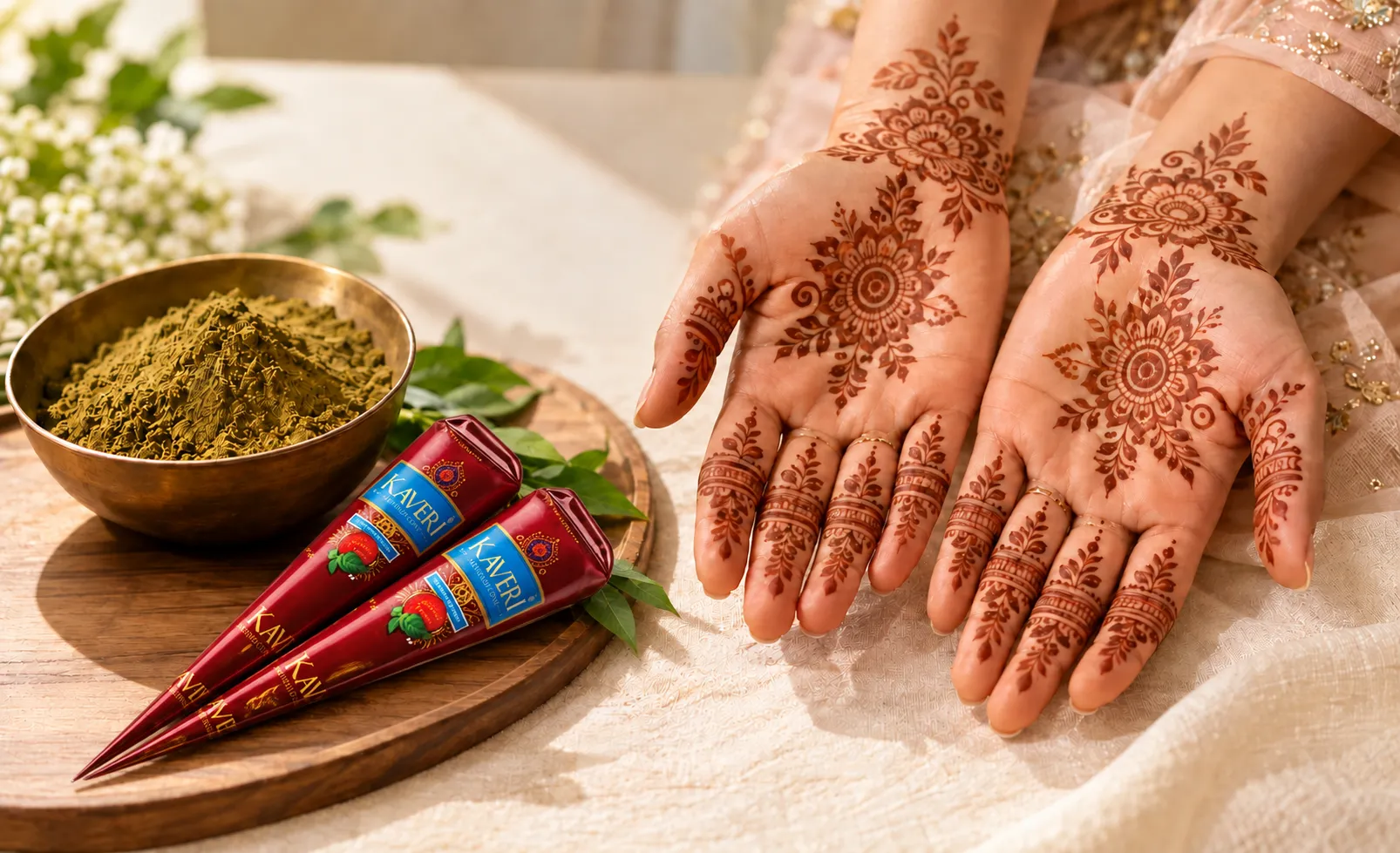
Freshly scraped-off mehendi can look orange, light brown or even pale.
That doesn’t mean the stain has failed.
Henna stains develop gradually through a process called oxidation. The colour can deepen over the following hours, so judging the final result immediately after removing the paste isn’t always useful.
Think of it as a colour reveal that takes its time.
Fresh mehendi is the preview. The deeper stain comes later.
2. The Quality of the Henna Matters
Not all henna powder is identical.
The freshness and quality of the Mehendi Powder used to make the paste can influence the final stain. Properly stored, fresh henna generally provides more predictable results than old or poorly stored powder.
That’s why simply buying any powder and expecting an intense stain isn’t necessarily going to work.
If you’re preparing your own paste, pay attention to the product information, storage conditions and preparation method.
Your mehendi artist may have years of experience—but even they can’t make an old product behave like a fresh one.
3. How You Apply the Mehendi Makes a Difference
The design isn’t just about looking beautiful.
The way the paste is applied can also affect the staining process.
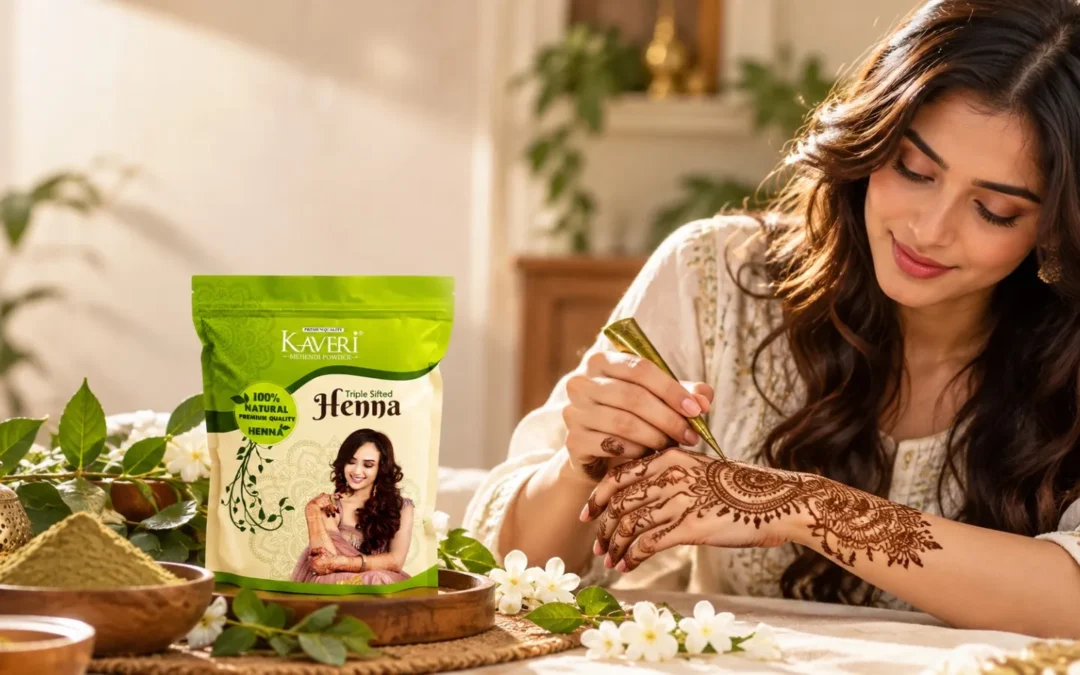
A good Mehendi cone allows the artist to create controlled lines and apply the paste consistently. Fine details, clean lines and even application can help create a polished final design.
Whether you’re working with a traditional design or something more contemporary, the application should be comfortable and consistent.
And yes, that tiny cone can make a surprisingly big difference when you’re trying to create intricate bridal patterns.
4. “Can I Make My Mehendi Darker by Leaving It On Longer?”
This is where things get interesting.
People have all sorts of mehendi traditions and aftercare tips, but there isn’t a magic number of hours that guarantees the darkest possible stain for everyone.
The longer the paste remains in contact with the skin, within the product’s recommended use, the more opportunity there may be for staining—but comfort and proper product instructions matter too.
Instead of blindly following someone’s “leave it on for 12 hours” rule, follow the instructions provided for the product or the advice of your experienced mehendi artist.
More time doesn’t automatically mean more colour.
5. Warmth Can Help Explain Why Palms Often Stain So Well
Ever noticed that mehendi on the palms can look particularly rich?
One reason is the nature of the skin on the palms and soles, which can interact differently with henna than other areas.
Warmth is also commonly associated with the development of henna stains. This is one reason traditional mehendi application practices often focus on keeping the paste comfortably in place for an appropriate period.
But don’t turn this into a competition to make yourself uncomfortably hot.
More heat is not a shortcut to better mehendi.
6. Your Skin Can Affect the Result Too
Two people can use the same henna and get slightly different results.
Why?
Because everyone’s skin is different.
The thickness of the skin, where the mehendi is applied and individual skin characteristics can all influence how the stain develops.
This is especially noticeable when comparing the palm with the back of the hand or other parts of the body.
So if your friend’s mehendi turned deep brown while yours developed into a softer shade, it doesn’t necessarily mean you did something wrong.
Sometimes, your skin is simply your skin.
7. What You Do After Removing the Paste Matters
The mehendi isn’t necessarily “finished” when the dried paste comes off.
The stain continues developing.
That means immediately washing your hands repeatedly or exposing them to water for long periods may not be the best approach.
Follow the aftercare instructions provided with your mehendi product or by your artist.
Many traditional mehendi routines also encourage keeping the freshly stained area away from unnecessary washing for a period of time.
The important point is consistency:
Don’t spend hours protecting the stain and then immediately wash it all away.
8. Why Does a Bridal Mehendi Sometimes Look So Much Darker?
Bridal mehendi often looks particularly rich because the bride and artist usually spend considerable time on the application and aftercare.
A detailed design means more coverage.
Experienced artists also know how to work with the paste, application technique and design density.
If you’re preparing for your wedding, don’t judge your expected result based on a random photograph online.
Lighting, filters, editing and even the time elapsed since application can dramatically change how a mehendi stain appears in pictures.
That perfect deep-brown Instagram photo may not tell you the whole story.
9. Choosing the Right Cone Matters More Than You Think
If you’re applying your own mehendi, your choice of Henna cone matters for more than just convenience.
You want something that allows you to control the flow comfortably, especially if you’re creating fine bridal details.
If the paste comes out unevenly, breaks frequently or is difficult to control, the application itself can become frustrating.
For a large bridal design, that can turn an enjoyable experience into a very long evening.
10. What About an Instant Mehndi Cone for Bridal Designs?
When you’re working with a packed wedding schedule, convenience naturally becomes important.
An instant mehndi cone for bridal application can be considered when you want a ready-to-use option rather than preparing paste yourself.
But don’t choose a product purely because it promises a dramatic colour.
Check the product information, understand the intended use and, especially if you’ve never used it before, consider testing it beforehand.
A bridal mehendi should be beautiful and comfortable.
11. Henna Powder Isn’t a Magic Colour Button
If you’re preparing your own paste using Henna Powder, remember that the final stain isn’t controlled by one ingredient alone.
Freshness, preparation, application, contact time, skin type and aftercare can all play a role.
That’s why copying somebody else’s exact recipe doesn’t necessarily guarantee the same result.
Instead of asking:
“What’s the one secret ingredient?”
ask:
“Am I getting the basics right?”
That’s usually a much more useful question.
So, How Do You Get a Beautiful Mehendi Stain?
There’s no single trick that guarantees the exact same shade every time.
Instead, focus on the things you can control:
- Use good-quality, appropriately stored henna.
- Prepare the paste correctly.
- Apply it evenly.
- Give it appropriate contact time.
- Follow sensible aftercare.
- Give the stain time to develop.
And most importantly, don’t panic when your freshly removed mehendi looks lighter than expected.
The colour isn’t finished yet.
Sometimes the most satisfying part is waking up the next morning, looking at your hands again and realising:
“Oh. There it is.”
That warm, deep brown stain you’ve been waiting for was simply taking its time to appear.