Your friend has just coloured her hair. She sends you a photograph, and your first reaction is, “Oh, I love that shade!”
Your second reaction is a little more dangerous.
What if I tried it, too?
Suddenly, your perfectly acceptable hair colour has competition. You’re imagining a different shade, wondering how you’d look with it, and mentally preparing yourself for the inevitable question from your family: “Why did you change your hair?”
But here’s a question nobody asks before a hair transformation: Are you choosing a colour you love, or are you choosing a version of yourself you’ve never had the chance to try?
Because those are two very different adventures.
And if you could make the decision tonight and wake up with a new hair colour tomorrow, there are some surprisingly interesting routes to explore.
What If Your Hair Colour Had a Personality?
Forget the shade numbers for a moment. Imagine choosing your next colour according to the kind of impression you want to create.
A rich, dark shade can give your hair a deeper appearance. Warmer browns can introduce a different tone without taking you far from your natural colour. More dramatic shades can turn an everyday hairstyle into something that feels entirely new.
The interesting part is that you don’t necessarily need a dramatic transformation to notice a difference.
Perhaps you’ve always chosen the safest shade because you know it works. Perhaps you’ve avoided experimenting because you weren’t sure how the result would turn out.
This time, start with the look you’re curious about, then investigate what’s required to achieve it.
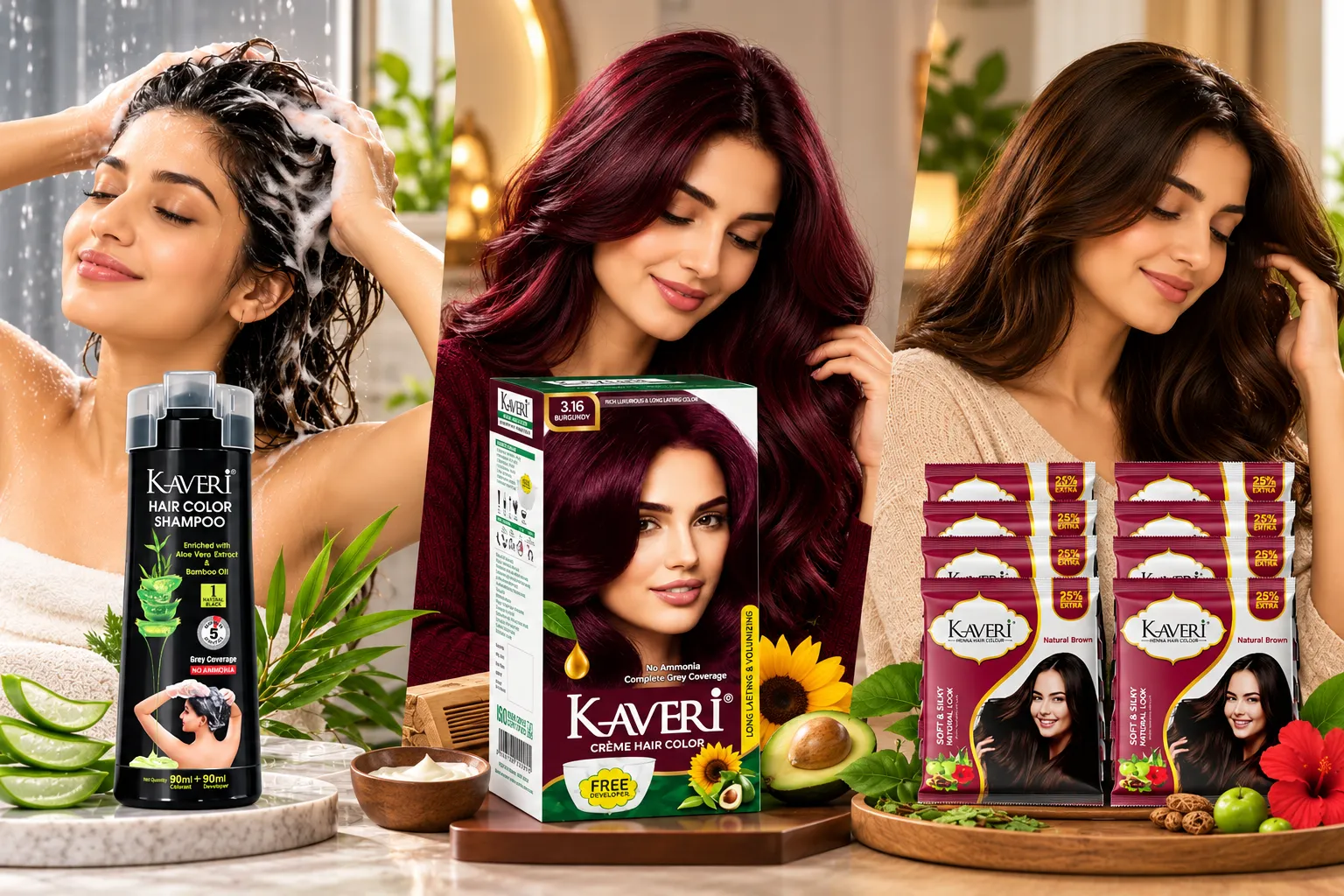
A suitable Hair color Dye can help you explore different colouring options, but the formulation matters. Temporary, semi-permanent and permanent colours differ in longevity and how they interact with your hair. Your starting shade and previous treatments also affect the final result.
Think of the photograph that first inspired you as a starting point, not a guarantee.
After all, the most interesting colour choice isn’t necessarily the most dramatic one. It’s the one you’ve chosen with a clear idea of what you want.
The Grey Hair Question Nobody Puts on the Beauty Mood Board
Grey hair rarely waits for a convenient moment.
It appears when you’re getting ready for a meeting, taking photographs or simply brushing your hair in the morning. And once you notice it, it’s surprisingly easy to start looking for more.
But what if you approached grey hair as a choice rather than a deadline?
You could cover it, blend it with your natural shade or let the silver become part of your appearance. The right approach depends on what you prefer, not on a rule about how hair should look at a particular age.
If you want an at-home colouring option, a Hair color Shampoo may be worth considering, provided the product is designed to deliver the coverage you need. Some products deposit colour, while others are intended to maintain colour-treated hair. Check the label rather than assuming every colouring shampoo will cover grey strands.
And if your beard has started changing colour, a dedicated beard hair color product may help you achieve a more uniform appearance. Choose one specifically formulated for facial hair and follow the manufacturer’s instructions.
The important distinction is between colouring because you genuinely want to and colouring because you feel you have no other choice.
One can be an enjoyable part of your routine. The other can become an obligation you never questioned.
The Colour Conversation That Begins With an Ingredient
Imagine two people choosing their next hair colour.
One starts by comparing shades. The other starts by reading the ingredient list.
Neither approach is automatically better, but the second person may be asking questions that are just as important as the final colour.
For people interested in plant-derived colouring options, Henna Based Hair Color products may be worth researching. However, products marketed as henna-based can contain different combinations of ingredients, so the complete formulation matters.
Traditional henna comes from Lawsonia inermis and generally produces orange-red to reddish-brown tones. Pure Henna Powder does not automatically offer the same range of shades as a formulated hair-colouring product.
If you’re considering henna for your hair, check the intended use, ingredients and compatibility with previous colour treatments. Some formulations can complicate subsequent chemical colouring, so understanding what you’ve used before is important.
Also, botanical ingredients are not automatically allergy-free. Follow the manufacturer’s allergy-alert testing instructions and be particularly cautious with black henna products, which may contain PPD and cause serious allergic reactions.
Choosing a colouring method can involve more than deciding which shade looks attractive. It can also mean understanding the product, its limitations and the result you can realistically expect.
The Unexpected Cost of a Colour You Love
Let’s imagine your transformation has gone perfectly.
Your new shade looks wonderful. Your hair feels like a fresh chapter, and you can’t stop noticing the difference.
Then the calendar moves forward.
Your roots grow. Your colour changes with washing and time. Suddenly, maintaining the shade requires more attention than you originally planned.
This is why the practical side of colouring deserves consideration before you commit.
If you prefer a simple routine, a colour close to your natural shade may make regrowth less noticeable. If you enjoy regular colour appointments, you may be happy to choose something more dramatic.
Your everyday hair care matters, too. An ayurvedic Shampoo may suit someone who prefers Ayurvedic-inspired formulations, depending on its ingredients and their hair-care needs. However, a shampoo marketed as Ayurvedic should not automatically be expected to colour hair or prevent greying.
Choose aftercare according to your hair’s condition and the recommendations for your colouring treatment. If you’re planning a significant colour change, particularly one involving lightening, professional advice can help you understand the process and minimise unnecessary damage.
The real question is not whether you can achieve the colour you want. It’s whether the result and the routine required to maintain it both suit you.
The Experiment You Don’t Have to Explain to Anyone
Here’s an idea: choose your next hair colour without asking what everybody else thinks first.
Not because other opinions are always unhelpful, but because they can make a personal decision surprisingly complicated.
One person will tell you to stay natural. Another will suggest going lighter. Someone else will send you a photograph of a completely different shade and insist that it would look perfect on you.
Eventually, you have so many opinions that your own preference gets lost.
Instead, collect a few examples of colours you genuinely like. Look for what they have in common. Perhaps you keep returning to warm tones. Perhaps you prefer a deeper, more uniform shade. Maybe you’re drawn to the idea of changing your colour gradually rather than all at once.
Those patterns can tell you more about your preferences than chasing every new trend.
You don’t need to make a dramatic change to experiment, and you don’t need to justify wanting one.
Sometimes, the best beauty decision is simply giving yourself permission to try something you’ve been curious about.
So, which route would you take tomorrow?
Imagine waking up with the freedom to choose a completely different hair colour.
Would you go for a shade that makes your existing hairstyle feel new? Would you explore a different way to manage greys? Would you investigate henna-based colouring or choose something that requires less maintenance?
There’s no universal answer because the best choice depends on your hair, your preferences and the kind of result you want.
Before colouring, consider your starting shade, previous treatments and maintenance needs. Read the product instructions and follow the recommended allergy-alert testing procedures. If you’re planning a major transformation, seek professional advice about what’s achievable for your hair.
And here’s one last thought.
You don’t need to wait until you’re bored with your appearance to try something different. Curiosity is a perfectly good reason to explore your options.
If you could choose your next hair colour without worrying about trends or other people’s opinions, what would you try first?
Not the shade that looks best on your favourite celebrity. Not the colour everyone is talking about.
The one you’d genuinely like to see on yourself.