Mehendi has been part of beauty traditions, celebrations, and cultural ceremonies for generations. From elaborate bridal patterns to delicate designs on the fingers, henna continues to be a popular form of temporary body art.
However, the way mehendi is prepared and applied has changed over time. One of the most noticeable developments is the mehendi cone, which gives artists a simple and controlled way to apply henna and create detailed designs.
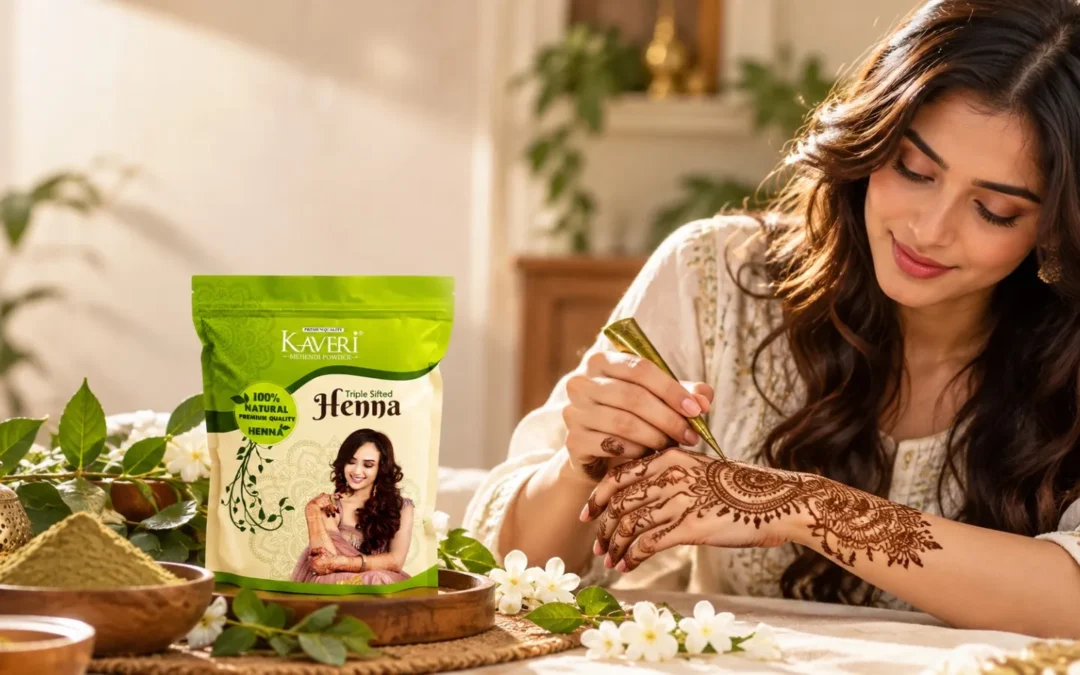
A mehendi cone is a cone-shaped applicator filled with prepared henna paste. Its narrow tip controls the flow of paste, making it easier to create fine lines, dots, curves, and intricate patterns.
Today, cones are used by professional mehendi artists, beginners, and people who enjoy creating mehendi at home. At the same time, traditional designs continue to inspire modern patterns.
So, how did mehendi cones evolve, and why have they become such an important part of henna application?
What Is a Mehendi Cone?
A mehendi cone is an applicator that holds prepared henna paste and releases it through a small opening at the tip.
The artist gently squeezes the cone while moving it across the skin. By controlling pressure and movement, they can create lines of different thicknesses and build detailed patterns.
A cone can be used to create:
- Fine lines
- Dots
- Flowers
- Leaves
- Paisleys
- Vines
- Mandalas
- Geometric patterns
- Bridal motifs
- Personalized designs
The cone is therefore more than a container for henna. It works as a precision tool that helps artists turn prepared paste into artwork.
How Was Mehendi Applied Before Cones?
Before ready-to-use cones became common, henna application involved more preparation.
Henna comes from the Lawsonia inermis plant. Its leaves contain lawsone, a natural dye compound responsible for henna’s staining properties. Henna has a long history of cosmetic and cultural use across parts of North Africa and Asia.
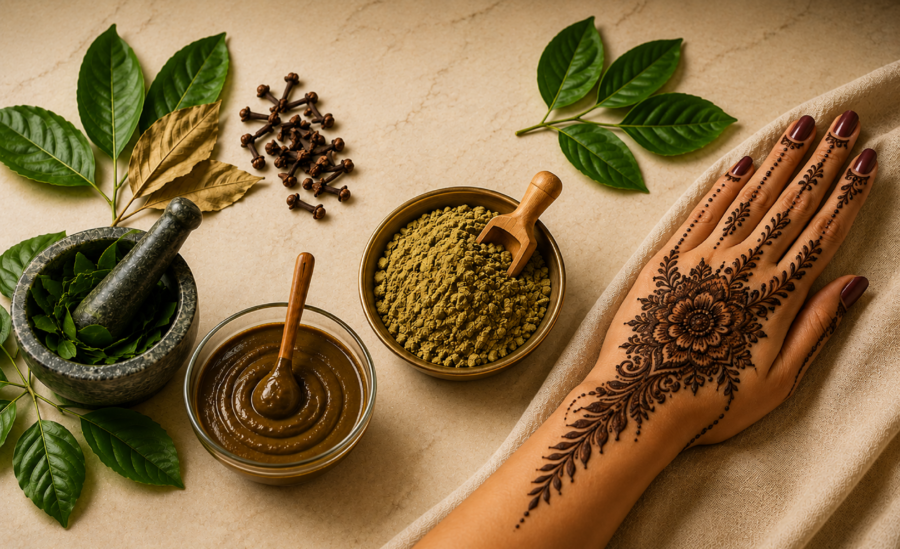
Traditionally, dried henna leaves were ground into powder and then prepared as a paste. The exact preparation could vary between regions, families, and individual artists.
The consistency of the paste was especially important. It needed to be smooth enough to apply but thick enough to stay where it was placed.
Once the paste was ready, it had to be transferred onto the skin using an appropriate application method. Therefore, traditional mehendi required both paste preparation and application skills.
How Did Mehendi Cones Make Henna Application Easier?
The development of cone-style application simplified the process of putting henna onto the skin.
Instead of repeatedly working from an open container, an artist could hold the paste inside a narrow applicator and release it directly onto the skin.
This offered several practical advantages:
- Better control: Pressure can be adjusted to regulate paste flow.
- More precise lines: The narrow tip makes detailed application easier.
- Faster application: Ready-to-use cones reduce preparation time.
- Easy portability: Cones can be carried to weddings and events.
- Greater flexibility: The same tool can be used for simple and intricate designs.
As a result, the cone became a useful bridge between traditional henna artistry and modern application methods.
How Have Mehendi Cones Changed Over Time?
The modern cone developed gradually. Several changes in preparation, packaging, and application have contributed to the way cones are used today.
Traditional Henna Paste Preparation
In traditional practice, henna paste was prepared manually. The person making the paste had to achieve the right consistency before application.
Early Henna Application Methods
As artists looked for greater control, different application methods were used to transfer paste onto the skin more precisely.
The Introduction of Cone Application
The cone-style application provided a narrow channel for the paste. This made it easier to create continuous lines and small details.
The Rise of Ready-to-Use Mehendi Cones
Ready-to-use cones reduced the preparation required immediately before application. This made mehendi more convenient for home users and professional artists.
Modern Fine-Tip Mehendi Cones
As designs became more detailed, precise application became increasingly important. Fine tips can help artists create delicate borders, finger patterns, tiny motifs, and intricate bridal designs.
The basic idea has remained simple: controlled paste flow allows controlled design work.
Why Do People Use Mehendi Cones?
The popularity of the henna cone comes from its combination of simplicity, control, and convenience.
Better Control Over Henna Paste
The artist can adjust pressure while applying the paste. This helps maintain a steady flow and create more consistent lines.
Easier Application of Fine Details
The narrow tip makes it easier to work on small flowers, dots, curves, borders, and other intricate elements.
Convenient for Weddings and Events
Cones are compact and easy to carry. Therefore, artists can bring several cones when working at weddings, festivals, parties, and other events.
Suitable for Beginners and Professionals
Professional artists can use cones for detailed bridal work. Meanwhile, beginners can use them to practice basic patterns and improve their hand control.
How Do Mehendi Cones Work?
Although the cone looks simple, several factors affect the final design.
How Paste Flow Is Controlled
When the cone is gently squeezed, pressure pushes the paste toward the tip. Consistent pressure helps produce a smoother line.
How Cone Tip Size Affects Lines
The opening at the tip influences how much paste is released. A smaller opening can be useful for fine lines, while a larger opening can produce thicker strokes.
How Hand Pressure Affects Application
Too much pressure can release excess paste. On the other hand, too little pressure may cause the line to become uneven or break.
For this reason, good mehendi application depends on both the cone and the artist’s technique.
How Have Mehendi Designs Changed Over Time?
Mehendi designs have evolved alongside application techniques.
Traditional motifs remain popular, but modern artists now experiment with spacing, line thickness, composition, and personalization.
Traditional Mehendi Designs
Traditional designs often include:
- Paisleys
- Flowers
- Leaves
- Vines
- Peacocks
- Mandalas
- Repeating patterns
These motifs continue to be widely used for weddings and cultural celebrations.
Arabic Mehendi Designs
Arabic-inspired designs often feature large floral patterns, flowing vines, and more open space.
Compared with densely filled designs, they can create a bold appearance while leaving more of the skin visible.
Minimalist Mehendi Designs
Minimalist mehendi focuses on simple patterns and clean lines.
Instead of covering the whole hand, an artist may create a small flower, delicate vine, finger design, simple band, or geometric pattern.
This style is particularly appealing to people who prefer subtle body art.
Modern Bridal Mehendi Designs
Bridal mehendi remains one of the most detailed forms of henna artwork. However, modern bridal designs are often personalized.
A design may include:
- Names or initials
- Wedding dates
- Couple illustrations
- Meaningful symbols
- Important locations
- Personal stories
Because these details can be very small, controlled cone application is especially useful.
Personalized Mehendi Designs
Modern mehendi can also be designed around a person’s interests, personality, or special occasion.
Traditional motifs can therefore become part of a completely custom design rather than being used in a fixed arrangement.
What Makes a Good Mehendi Cone?
The right cone can make application easier and more comfortable. However, the ideal choice depends on the design and the artist.
Check the paste consistency.
The paste should flow smoothly through the tip without requiring excessive pressure.
Choose the Right Cone Tip
A fine tip is useful for delicate designs, while a wider opening may be suitable for thicker lines.
Look for Easy Handling
The cone should be comfortable to hold and squeeze, especially during longer mehendi sessions.
Check the product information.
Always review the ingredients, intended use, storage instructions, and other information provided by the manufacturer.
For people who prefer preparing their own paste, organic henna powder can be used as a starting ingredient when it is intended for skin application and prepared according to the product instructions.
How Do You Choose the Right Mehendi Cone?
The right mehendi cone depends on what you want to create.
For intricate designs, look for controlled paste flow and a suitable fine tip. For beginners, easy handling and consistent flow may be more important.
Before choosing a cone, consider:
- Your design: Detailed artwork needs greater precision.
- Tip size: Choose an opening that suits your preferred line thickness.
- Paste consistency: The paste should flow without excessive pressure.
- Comfort: The cone should be easy to hold for an extended period.
- Product information: Check the ingredients and intended application.
Choosing the right cone can make practice easier and help artists achieve cleaner results.
How Can Beginners Use a Mehendi Cone?
Beginners do not need to start with a complicated bridal design. Instead, they can develop their technique one step at a time.
Start With Simple Lines and Dots
Practice straight lines, curves, and evenly spaced dots. These basic movements help develop pressure control.
Practice Flowers and Leaves
Once basic lines become comfortable, add simple leaves and flowers.
Learn to Control Pressure
Try creating both thin and slightly thicker lines by changing pressure gradually.
Move on to detailed designs.
After mastering basic elements, combine them into paisleys, vines, borders, and small motifs.
With regular practice, these simple shapes can become the foundation of more complex mehendi designs.
How Is Mehendi Becoming Part of Modern Beauty Trends?
Mehendi is no longer limited to weddings and traditional ceremonies.
Today, people choose henna designs for festivals, parties, vacations, photoshoots, cultural events, and personal self-expression.
Social media has also changed how mehendi trends spread. Artists can share designs with audiences around the world, while users can discover styles from different cultures and adapt them to their own preferences.
As a result, traditional motifs are increasingly being combined with:
- Minimalist layouts
- Geometric patterns
- Fine-line artwork
- Personalized designs
- Jewelry-inspired details
Modern mehendi is therefore not replacing traditional art. Instead, it is giving traditional ideas new forms.
What Is the Future of Mehendi and Cone Application?
Mehendi will continue to evolve as artists experiment with new styles and consumers look for more personalized designs.
Future trends may include:
- Fine-line mehendi
- Minimalist bridal patterns
- Personalized illustrations
- Geometric designs
- Jewelry-inspired artwork
- Custom wedding motifs
- Contemporary interpretations of traditional patterns
At the same time, traditional flowers, paisleys, leaves, vines, and other motifs will continue to provide inspiration.
The future of mehendi is therefore likely to combine traditional artistry with modern creativity rather than choosing one over the other.
Mehendi Cone Evolution: Traditional vs Modern
FAQS
What is a mehendi cone?
A mehendi cone is a cone-shaped applicator filled with prepared henna paste. Its narrow tip allows controlled application and helps create fine lines, dots, curves, and intricate designs.
What is the difference between a mehendi cone and a henna cone?
The terms generally refer to the same type of applicator. “Mehendi cone” is commonly used in South Asian contexts, while “henna cone” is widely understood internationally.
Why are mehendi cones useful for detailed designs?
The narrow tip allows artists to control the amount of paste being released. As a result, fine lines, small dots, curves, and detailed motifs can be created more easily.
Are mehendi cones good for beginners?
Yes. Beginners can use cones to practice basic lines, dots, flowers, leaves, and simple patterns. With practice, they can gradually move to more detailed designs.
Does cone tip size affect mehendi designs?
Yes. The opening affects the amount of paste released and therefore influences line thickness. Fine tips are generally useful for delicate details.
What should I look for in a good mehendi cone?
Look for smooth paste flow, a comfortable grip, a suitable tip size, clear product information, and instructions that match the intended use.
Can organic henna powder be used to make mehendi paste?
Yes, when the powder is intended for skin application, it can be used to prepare henna paste according to the manufacturer’s instructions. The prepared paste should have a suitable consistency for controlled application.
Is mehendi only used for weddings?
No. Mehendi is also popular for festivals, cultural celebrations, parties, vacations, photoshoots, and personal self-expression.
Why is minimalist mehendi popular?
Minimalist mehendi uses fewer elements, fine lines, and open space. It offers a subtle alternative to dense designs while maintaining an artistic appearance.
How can beginners improve their mehendi cone technique?
Start with lines, dots, curves, leaves, and flowers. Focus on consistent pressure and smooth movement. Once these basics become easier, combine them into more detailed patterns.
Final Thoughts
The evolution of the mehendi cone shows how traditional art can adapt to modern lifestyles without losing its cultural character.
Henna was traditionally prepared and applied through more hands-on methods. Over time, cone application made it easier to control the paste and create detailed artwork.
Meanwhile, mehendi designs have continued to change. Traditional flowers, paisleys, leaves, and vines now appear alongside minimalist patterns, geometric elements, personalized artwork, and contemporary bridal designs.
The result is an art form that respects its history while leaving plenty of room for creativity.
Whether it is an elaborate bridal design, a delicate finger pattern, or a simple festival motif, the henna cone provides artists with a practical way to turn prepared henna paste into artwork.
The tool has evolved, the designs have changed, and the application has become more convenient. Yet the creativity and cultural significance behind mehendi remain timeless.