Changing your hair color is one of the easiest ways to refresh your look. You may want to cover gray hair, make your natural shade look richer, try a deeper color, or simply give your hair a fresh new appearance.
But before coloring, there is one question many people ask:
Can I get beautiful, glossy hair color without damaging my hair?
While no chemical coloring process can guarantee zero damage, you can make smarter choices to reduce unnecessary stress on your hair. Your starting hair color, the amount of lightening required, the coloring method, how often you repeat the treatment, and your aftercare routine all matter.
The American Academy of Dermatology recommends staying within about three shades of your natural hair color when possible because significant lightening generally requires stronger peroxide and can cause more damage.
The goal, therefore, is not simply to change your color. It is to choose a coloring approach that gives you the look you want while helping your hair remain smooth, manageable, and healthy-looking.
Can You Color Your Hair Without Damaging It?
Completely damage-free hair coloring cannot be guaranteed. However, you can reduce unnecessary damage by choosing a realistic shade, avoiding excessive lightening, following the product instructions, spacing out treatments, and caring for your hair between color sessions.
Your hair’s condition before coloring also matters.
For example, coloring healthy, untreated hair is different from coloring hair that has already been bleached or chemically treated. If your hair is already dry, brittle, or breaking, another intensive treatment may place additional stress on it.
Therefore, before choosing a color, think about both the result you want and the condition of your hair right now.
Why Can Hair Color Make Hair Dry or Brittle?
Hair coloring can change the hair structure so that color can be deposited or natural pigment can be lightened.
More intensive chemical processes can leave hair feeling dry, rough, or fragile. This is particularly important when you are making a major color change.
Hair can also become more stressed when you:
- Color it very frequently
- Repeatedly lighten the same lengths
- Combine several chemical treatments
- Use high heat regularly
- Start with already-damaged hair
That is why protecting your hair is not only about choosing a particular product. How you use the product and how often you repeat the process matter too.
Is Darker Hair Color Less Damaging Than Lightening?
Often, yes.
If you move from your current shade to a similar or darker color, you may not need the same level of lightening required for a dramatic transformation.
For example, going from medium brown to dark brown is generally a different process from going from dark brown to very light blonde.
The American Academy of Dermatology recommends choosing a color within about three shades of your natural hair color when possible.
If keeping your hair healthy-looking is a priority, consider whether you really need to make a major change.
You can still create a noticeable makeover by choosing:
- A deeper brunette
- A richer black
- A warmer brown
- A cooler brown
- A refreshed version of your current shade
Sometimes, a subtle change can make a bigger difference than you expect.
What Is the Difference Between Hair Coloring and Hair Lightening?
Understanding this difference can help you choose a more suitable approach.
Hair coloring can add, deepen, or change the tone of your hair.
Hair lightening aims to reduce natural pigment so that the hair becomes significantly lighter.
If you simply want to make your existing color richer or darker, you may not need an intensive lightening process.
For example, if your brown hair looks dull, you may want to restore depth rather than make it several shades lighter.
So before choosing a product, ask yourself:
Do I need to lighten my hair, or do I simply want to change or refresh its color?
That simple question can help you avoid unnecessary processing.
How Do You Choose the Right Hair Color?
Start with your current hair rather than choosing a shade based only on a picture.
Think about:
- Your natural hair color
- Previous coloring or bleaching
- The condition of your lengths and ends
- Your hair texture
- The amount of maintenance you want
- How dramatic you want the change to be
If your hair is already dry or fragile, choosing a shade close to your current color may be a more practical option than attempting a major transformation.
Also, consider your roots.
A dramatic color change may require more frequent maintenance as your natural hair grows. A shade closer to your natural color can sometimes be easier to maintain.
Which Type of Hair Color Should You Choose?
Hair color comes in different formulas and formats. The best option depends on your desired result, current hair color, and the instructions of the specific product.
Gel Hair Color for Easy, Controlled Application
Gel hair color usually has a smooth consistency that can make it easier to distribute through sections of hair.
It may be useful if you prefer a formula that feels easy to control during application.
However, the texture alone does not determine how gentle a product is. Always check the complete formulation, intended use, and instructions.
Cream Hair Color for Section-by-Section Application
Cream hair color generally has a thicker consistency that can make it easier to apply systematically.
This can be useful when you want to work through your hair in sections and distribute the product evenly.
As with any coloring product, check the formulation and follow the manufacturer’s instructions rather than choosing a product based only on its texture.
Hair Color Shampoo for Color Refreshing
A hair color shampoo combines shampoo-style application with color-depositing or coloring properties, depending on the formula.
It can be convenient for certain color-refreshing routines. However, products vary in how long the result lasts and how much color they provide.
Always check the packaging to understand whether the product is designed for temporary color, color refreshing, or another type of result.
Is Henna a Good Option for Coloring Hair?
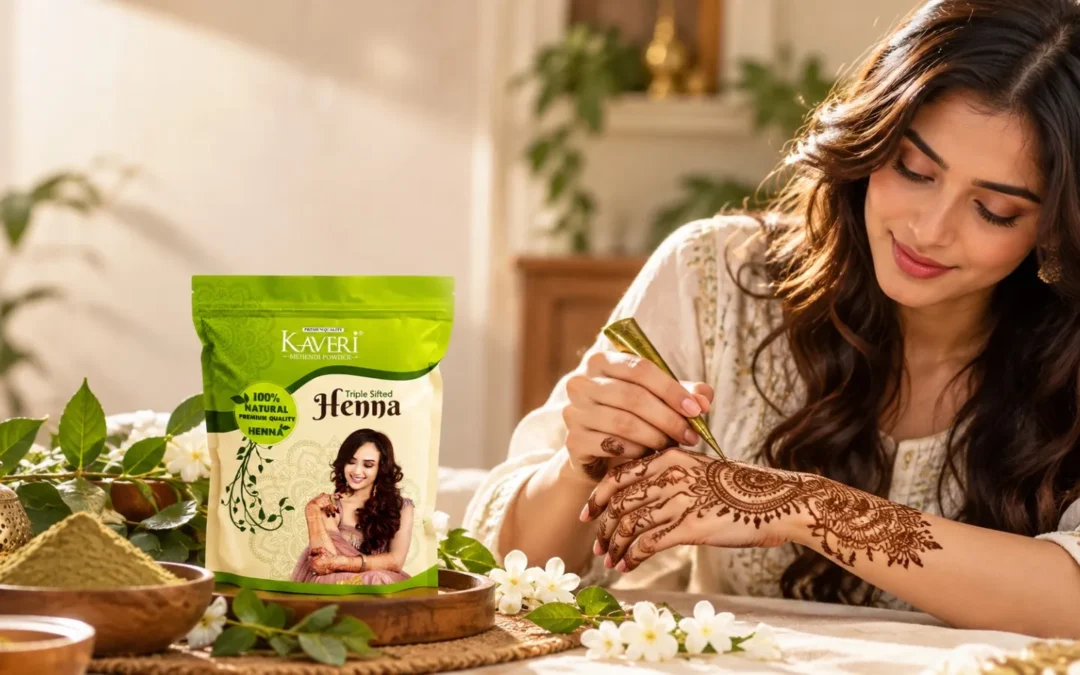
If you prefer traditional plant-based coloring, you may consider henna paste for hair.
Henna has a long history of use as a coloring material. Depending on the formulation and your starting hair color, it can produce warm shades such as copper, orange, and reddish-brown.
However, products sold as henna can contain different ingredients.
Therefore, always check the complete ingredient list and make sure the product is specifically intended for hair.
Also remember that “natural” does not automatically mean that a product will be suitable for everyone.
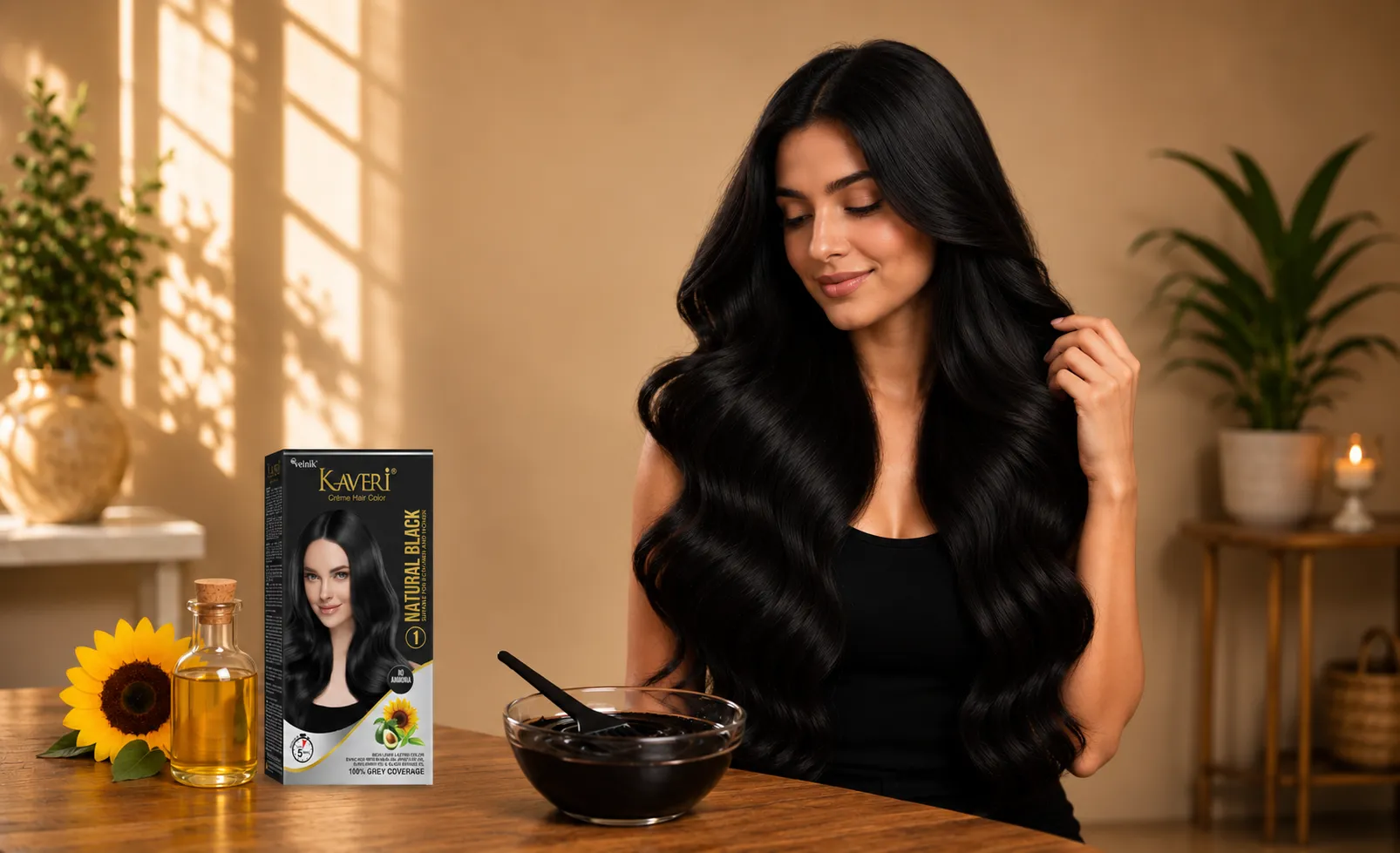
Can Natural Black Hair Dye Give You a True Black Shade?
If you are searching for natural black hair dye, look beyond the product name.
Pure henna generally creates warm reddish or copper tones rather than a true black shade. Products intended to produce darker results may use other plant ingredients or additional coloring substances.
Before buying, check:
- The complete ingredient list
- The expected color result
- The intended application
- Preparation instructions
- Patch-test requirements
This gives you a clearer idea of what you are actually purchasing.
How Should You Prepare Your Hair Before Coloring?
A little preparation can make the coloring process easier.
Check Your Hair Condition
Look at your lengths and ends before coloring.
If your hair is extremely dry, brittle, or breaking, consider whether another chemical treatment is appropriate.
Avoid Combining Several Chemical Treatments
Try not to schedule multiple intensive services too close together.
The FDA recommends waiting at least 14 days after bleaching, relaxing, or perming before using hair dye.
Read the instructions before you start.
Check the recommended mixing ratio, application method, processing time, and rinsing instructions.
Do not assume that leaving the product on longer will create a better result.
Prepare Everything You Need
Have the required items ready before starting. This can help you follow the process calmly and avoid unnecessary delays.
Why Should You Do a Patch Test Before Using Hair Color?
A patch test is important because some hair-coloring ingredients can cause irritation or allergic reactions.
The FDA recommends following the product’s instructions for skin testing before using hair dye. It also notes that sensitivity can develop even if you have used hair dye before without a reaction.
So, previous successful use does not mean you should automatically skip the test.
If the test causes irritation or another reaction, do not use the product.
How Can You Get Rich Hair Color Without Overprocessing?
A rich result does not always require a dramatic chemical transformation.
Choose a Shade Close to Your Current Color
A smaller color change may require less intensive processing than significant lightening.
Refresh Color Instead of Recoloring Everything
If your lengths already have the color you want, repeatedly applying a full treatment may be unnecessary.
Depending on the product, you may only need to address new growth or areas where the color has faded.
Avoid Unnecessary Lightening
If your desired result can be achieved without significantly lifting your natural pigment, consider whether you really need a lightening process.
Give Your Hair Time Between Treatments
Repeated chemical treatments can increase cumulative stress.
The AAD recommends increasing the time between touch-ups, particularly when hair is dry or damaged.
How Can You Make Colored Hair Look Rich and Glossy?
Beautiful color is only part of the result. If you want your hair to look glossy, its condition matters too.
Condition Your Hair Regularly
Use a suitable conditioner after washing to help keep your hair smooth and manageable.
Reduce Excessive Heat Styling
Frequent use of high heat from straighteners, curling irons, and other tools can contribute to dryness and damage.
Use the lowest effective temperature and avoid unnecessary daily heat styling.
Handle Wet Hair Gently
Wet hair can be more vulnerable to breakage.
Instead of aggressively rubbing your hair with a towel or brushing it roughly, handle it gently.
Protect Your Hair From the Sun
Sun exposure can contribute to dryness, fading, and brittleness, especially in colored or chemically treated hair.
Avoid Unnecessary Chemical Treatments
If your hair already has the color you want, avoid repeatedly processing the same lengths unless the product instructions require it.
Should You Color Your Roots or Your Whole Head?
It depends on what you want to correct.
If your main concern is new growth, you may not need to recolor your entire head.
If your lengths have faded, you may need an appropriate color-refreshing approach.
The important point is to avoid automatically applying a full treatment every time you notice root growth.
A targeted approach can help reduce unnecessary processing of hair that already has the desired color.
How Often Should You Color Your Hair?
There is no single schedule that works for everyone.
Your ideal timing depends on:
- How quickly your hair grows
- The type of color you use
- How quickly the color fades
- How noticeable your roots are
- Your hair’s condition
- How often you want to maintain your shade
Instead of following a fixed schedule, look at what your hair actually needs.
If only your roots have grown out, you may not need to recolor the lengths.
What Should You Avoid After Coloring Your Hair?
Once you have your new color, a few habits are worth avoiding.
Try to avoid:
- Leaving color on longer than instructed
- Repeatedly coloring the same lengths
- Excessive heat styling
- Rough brushing
- Aggressive towel drying
- Combining several chemical treatments too closely
- Coloring an irritated scalp
The FDA recommends following product directions, wearing gloves, not leaving dye on longer than directed, and rinsing the scalp thoroughly after coloring.
Can You Use Beard Hair Color on Scalp Hair?
Beard hair color is designed for facial hair and should be used only according to its product instructions.
You should not assume that a product intended for facial hair is automatically suitable for scalp hair.
Always check the intended use before applying any coloring product.
Which Hair Coloring Approach Is Right for You?
There is no single best option for everyone. The right choice depends on your current hair, desired result, and how much maintenance you are comfortable with.
How Can You Keep Your Hair Healthy Between Color Treatments?
You do not need a complicated routine.
Focus on a few consistent habits:
Condition regularly: Keep the lengths smooth and manageable.
Reduce heat: Limit unnecessary use of high-temperature styling tools.
Handle hair gently: Avoid rough brushing and towel drying.
Space out treatments: Give your hair enough time between chemical services.
Pay attention to changes: If your hair becomes increasingly dry, brittle, or prone to breakage, reconsider how frequently you are coloring or chemically treating it.
Small changes in your routine can make your color easier to maintain while helping your hair look healthier.
Frequently Asked Questions
Can I color my hair without damaging it?
Completely damage-free coloring cannot be guaranteed. However, you can reduce unnecessary damage by avoiding excessive lightening, choosing a suitable shade, spacing out treatments, following product instructions, and caring for your hair properly.
Is darker hair color less damaging than lightening it?
It can be. Significant lightening generally requires more intensive processing than moving to a similar or darker shade. The AAD recommends staying within about three shades of your natural color when possible.
How can I make colored hair look glossy?
Condition your hair regularly, reduce excessive heat styling, handle it gently, and avoid unnecessary chemical processing. Hair that is well cared for can look smoother and more reflective.
How often should I color my hair?
It depends on your hair growth, the type of color, fading, desired appearance, and hair condition. Avoid automatically recoloring the entire head when only the roots or faded areas need attention.
Should I condition my hair after coloring?
Yes. Conditioning can help keep colored hair manageable and smoother. It is an important part of maintaining healthy-looking hair.
Do I need a patch test before using hair dye?
Follow the product’s patch-testing instructions before each use. Sensitivity can develop even if you have previously used hair color without a reaction.
Can I color already damaged hair?
If your hair is severely dry, brittle, or breaking, another chemical treatment may increase stress. Consider your hair’s condition before coloring and seek professional advice if you are unsure.
Is henna good for coloring hair?
Henna can be an option for people interested in traditional plant-based coloring. However, the result depends on the product, ingredients, and starting hair color. Always check the formulation before use.
Is hair color shampoo the same as permanent hair color?
No. A hair color shampoo can differ from permanent hair color in its formulation, application method, longevity, and final result. Check the product instructions to understand what to expect.
Can I use beard hair color on my scalp?
Not unless the product specifically states that it is suitable for scalp hair. Beard hair color is generally intended for facial hair, so always follow the product’s intended use.
What should I do if hair color irritates my skin?
Stop using the product and seek appropriate medical advice if you develop a significant reaction. Hair-coloring products can cause irritation or allergic reactions in some people.
Final Thoughts
A beautiful hair color makeover does not have to mean putting your hair through unnecessary stress.
Start by choosing a realistic shade and deciding whether you actually need significant lightening. Then, follow the product instructions carefully, space out treatments, and avoid repeatedly processing hair that already has the color you want.
After coloring, focus on simple but consistent care. Condition your hair, reduce excessive heat, handle it gently, and give it enough time between chemical treatments.
Whether you choose gel hair color, a cream formula, a color-refreshing product, or a traditional henna-based option, the best choice is one that suits your hair, your desired result, and your maintenance routine.
Rich color looks its best when your hair is cared for too.